

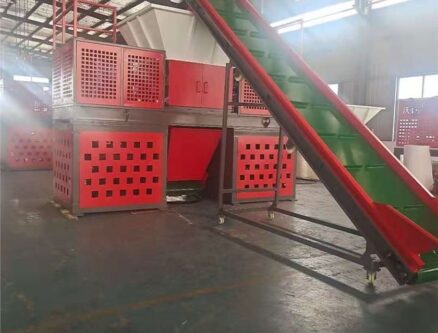
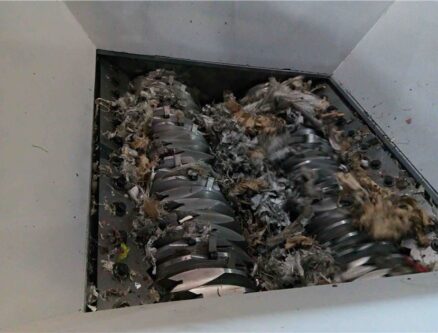
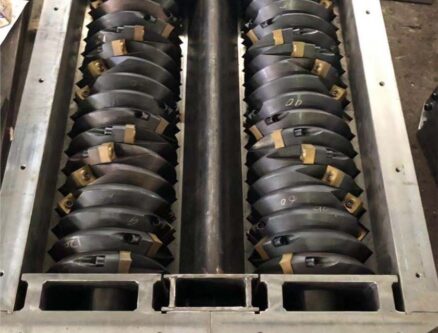

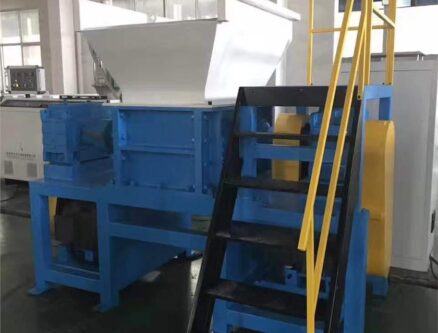
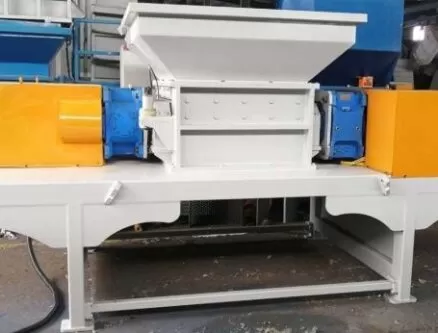
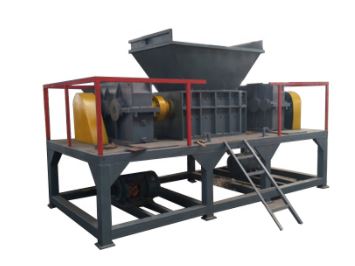

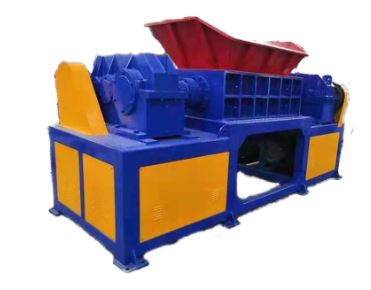
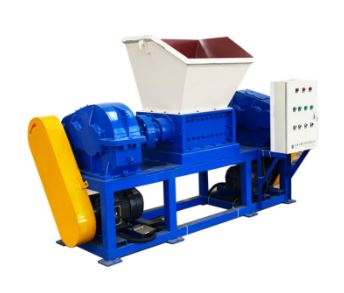
AMIGE supplies industrial plastic shredder machines for flexible, rigid and bulky plastic feedstock. Use this page to compare single-shaft, double-shaft and application-specific options by material form, feed dimensions, target output, throughput and downstream process. Final model selection is made after reviewing the actual material; the guidance below is not a fixed performance guarantee.
Choose a Plastic Shredder by Material and Process
Flexible plastic film, bags, textiles and nets
Film, PP woven bags, FIBC bulk bags, textile waste and fishing nets can wrap, bridge or feed unevenly. Start the evaluation with a single-shaft or application-specific configuration, then confirm the feeding method and rotor arrangement from the real material form, bundle size, contamination and required output. Do not select a model from a generic capacity claim.
Rigid plastics, drums and oversized lumps
Drums, oversized lumps and other difficult feed shapes usually require primary size reduction before sorting, crushing or washing. Start with the double-shaft range when bulky geometry and primary reduction are the main concerns. The cutting chamber, motor and final configuration must still be checked against the material, maximum dimensions and target output.
Pipes, purgings and pallets
Pipes, plastic lumps, purgings and pallets should not be assigned by material name alone. Compare a single-shaft machine when screened or more controlled discharge is required. Compare a double-shaft machine when large, irregular pieces need primary reduction. Send pipe diameter, wall thickness, length, piece weight and the next process before selecting a model.
Single Shaft vs. Double Shaft Plastic Shredders
A single-shaft shredder uses a hydraulic feeding system and a screen-equipped cutting process for projects where controlled discharge and further processing are important. A double-shaft shredder uses two low-speed, high-torque rotors for primary size reduction of bulky or difficult feedstock. These are starting points, not absolute material rules.
- Single shaft: compare when screened discharge and a controlled cutting process are required.
- Double shaft: compare when bulky, irregular feedstock needs primary size reduction.
- Compare both: when the material form, contamination or downstream process could support either route.
- Engineering review: required before confirming material suitability, throughput or final output.
Compare AMIGE Shredder Model Families
AMIGE currently publishes six AMGS single-shaft models and six AMGD double-shaft models. Use the published feeding size, rotor, blade, motor and weight data to shortlist a machine. The single-shaft page also publishes a 30–100 mm screen range. Confirm throughput from the actual material and operating conditions before quotation.
| Range | Published models | Published reference data | Next step |
|---|---|---|---|
| Single shaft AMGS series | AMGS600/350–AMGS1800/500 | Feed opening 630×985–1830×1800 mm; motor 22–110 kW; screen 30–100 mm | Review single-shaft models |
| Double shaft AMGD series | AMGD600/300–AMGD2000/600 | Feed opening 760×840–1450×2500 mm; motor 7.5×2–75×2 kW; output depends on the project | Review double-shaft models |
| Application-specific pages | Textile, jumbo bag, fishing net, PP woven bag and LDPE film | Project parameters pending material review | Compare application options |
Materials AMIGE Can Evaluate
AMIGE can evaluate film, PP woven bags, FIBC bulk bags, textile waste, fishing nets, plastic pipes, lumps, purgings, pallets and drums. Suitability depends on the material condition, dimensions, contamination, required output and downstream process. Mixed material, metal contamination or chemical residue requires a separate technical review before a machine is recommended.
Watch a Single Shaft Shredder Test
This video shows a single-shaft shredder demonstration. Final model selection, material suitability, throughput and output depend on the actual feedstock and project requirements.
Material Test Example: Chemical Drum Size Reduction
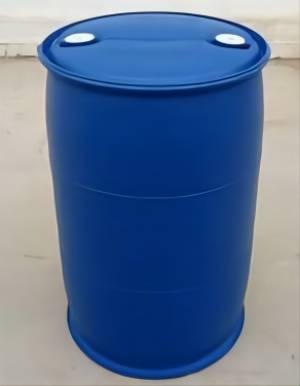
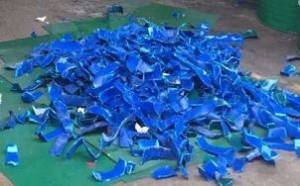
The before-and-after images show a blue chemical drum and the resulting plastic pieces after primary size reduction. This is a material test example, not a named customer case or a performance guarantee. Drums with residual contents, metal fittings or hazardous contamination require a separate technical review.
Project Configuration Logic
- Identify material and feed form. Define the resin, flexibility, contamination, moisture and whether the material is loose, baled, bundled or oversized.
- Measure the largest feed item. Record maximum dimensions, pipe diameter and wall thickness, bundle size or individual piece weight.
- Define the size-reduction role. Confirm whether the shredder is for primary reduction, controlled screened output or preparation for crushing, washing or pelletizing.
- Define output and production requirements. State target output size, throughput, operating hours and downstream equipment.
- Review evidence and confirm configuration. Compare published model data, then verify the final machine through photos, video, samples or a witnessed material test when required.
Information Needed for a Shredder Recommendation
- Material name, form and known contamination
- Maximum dimensions and typical feed size
- Required output size and downstream process
- Target throughput and operating schedule
- Material photos, video or an available sample
- Destination country
For additional selection guidance, visit the plastic shredder knowledge center.
Plastic Shredder Machine FAQ
How do I choose between a single-shaft and double-shaft shredder?
Start with the feed geometry and the role of the machine. Compare single shaft when controlled, screen-defined discharge is important. Compare double shaft when bulky or irregular material needs primary size reduction. Confirm the choice with the real material and downstream process.
What plastic materials can AMIGE evaluate?
AMIGE can evaluate films, woven bags, FIBC bags, textiles, fishing nets, pipes, lumps, purgings, pallets and drums. Final suitability depends on dimensions, contamination, target output and the next process.
Can the shredder connect with crushing, washing or pelletizing equipment?
Yes, a shredder can be configured as the first size-reduction stage in a larger line. The discharge method, output size and transfer arrangement must be matched to the crusher, washing line or pelletizing system.
Can I select a model from published capacity alone?
No. Throughput changes with material density, shape, contamination, feed method, target output and operating conditions. Use published model data only for an initial shortlist and confirm the final selection from real project information.
Discuss Your Plastic Shredding Project
Send your material name, photos or video, maximum feed dimensions, target output, throughput requirement, operating hours and destination country through the request-a-quote form. AMIGE will review the information, identify any missing inputs and recommend the next technical step. Contact AMIGE before shipping a sample or arranging a material test.
