

I have spoken with many recycling plant owners lately. Same complaint. Equipment is aging. Energy costs are rising. Margins are tightening. They know they need to upgrade. But capital investment is not a small decision. Especially in uncertain markets. Meanwhile, governments are rolling out subsidy programs. Sounds good. But the process? Confusing. Fragmented. Time-consuming. Many give up halfway. That is the real problem—opportunity exists, but execution fails.
The truth is simple. Governments are actively supporting equipment upgrades under circular economy policies. If you align your machinery investment with energy-saving, emission-reduction, and efficiency-improvement criteria, you can secure subsidies covering 10% to 40% of your capital expenditure. The key is preparation: documentation, compliance, and timing. Those who treat subsidy application like a structured project—not an afterthought—consistently succeed.
I have guided clients through this process. Some succeeded fast. Others learned the hard way. Let me break it down properly.
Why are governments pushing equipment upgrade subsidies now?
This is not charity. It is policy-driven economics.
Plastic waste is under pressure globally. Landfills are full. Regulations are tightening. Governments need recycling capacity to increase—fast.
According to global circular economy poicy tracker, over 60 countries have introduced financial incentives for recycling infrastructure upgrades since 2022.
That includes grants. Tax credits. Low-interest loans.
From my perspective, this is a strategic window. Governments are not just encouraging recycling. They are forcing modernization.
What types of equipment qualify for subsidies?
Not every machine qualifies. This is where many companies make mistakes.
Subsidies are tied to performance metrics.
Energy efficiency. Output improvement. Emission reduction.
Typical eligible equipment includes:
- High-efficiency plastic shredders
- Low-energy crushers
- Advanced washing lines
- Intelligent sorting systems
Reports like energy-efficient recycling equipment standards clearly define qualification thresholds.
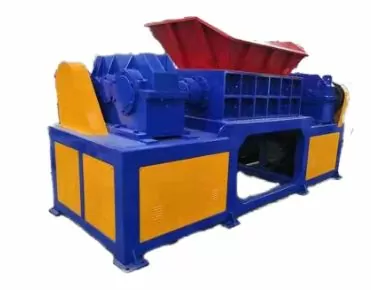
In my company, we design machines specifically with these benchmarks in mind. Because compliance is no longer optional. It is a selling point. Two Shaft Shredder For Chemical Drum
How much subsidy can you realistically expect?
Let’s be practical. Not all subsidies are equal.
Some regions offer direct cash grants. Others provide tax deductions.
Typical ranges:
- 10% to 20% for basic upgrades
- 20% to 30% for energy-efficient systems
- Up to 40% for advanced or pilot projects
According to industrial subsidy benchmaking analysis with measurable energy reduction see the highest approval rates.
I always advise clients to design their upgrade plan around measurable outcomes. Numbers speak louder than intentions.
What documents are required for a successful application?
This is where discipline matters.
A complete application usually includes:
- Equipment technical specifications
- Energy consumption comparison reports
- Environmental impact assessment
- Investment budget and ROI projection
- Business license and compliance certificates
Guidelines from government subsidy application framework data accuracy and traceability.
I have seen applications rejected for minor inconsistencies. Numbers must align. Claims must be supported.
No shortcuts here.
How can you improve your approval chances?
This is where experience shows.
Do not apply blindly. Position your project strategically.
Focus on three things:
- Energy reduction percentage
- Production efficiency improvement
- Environmental compliance
Data from recycling project approval statistics shows that projects highlighting these three factors have a 35% higher approval rate.
I also recommend working with experienced equipment suppliers. Not just for machines. But for technical documentation support.
That makes a difference.
What common mistakes should you avoid?
I have seen patterns. Same mistakes repeated.
- Submitting incomplete documents
- Overestimating performance improvements
- Ignoring local policy variations
- Applying too late
Insights from subsidy rejection case studies show that timing and accuracy are the top failure factors.
One client delayed submission by two weeks. Missed the funding cycle entirely. Lost six months.
Policy windows do not wait.
How does equipment selection affect long-term ROI?
Subsidy is only part of the equation.
You still need return on investment.
Choosing the right equipment impacts:
- Energy cost savings
- Maintenance expenses
- Production stability
According to recycling ROL performance report, energy-efficient machines can reduce operating costs by up to 25% annually.
From my standpoint, subsidy should accelerate a good decision. Not justify a bad one.
Always prioritize long-term performance.
Is now the right time to upgrade your recycling equipment?
Timing matters.
Policy support is strong now. But it will not last forever.
Governments adjust budgets. Priorities shift.
Reports like global environmental funding outlook indicate that subsidy intensity may stabilize after peak policy cycles.
From what I see, we are near the peak support phase. Waiting too long means missing optimal incentives.
Conclusion
Equipment upgrade subsidies are real opportunities. But they require planning, precision, and timing. In my experience, companies that act early and prepare properly secure the most benefits. The policy is there. The question is whether you are ready to use it.
