

Noise in a shredding workshop is more than background sound.
It drains focus.
It affects operators.
It causes fatigue.
And in many export markets, especially in Europe, it creates a real compliance challenge. I’ve spoken with recyclers who loved machine capacity but hesitated because the sound level on the floor was simply too high. That pressure is growing. Regulations are tighter. Worker expectations are higher. Factory owners need performance without sacrificing the working environment. That balance is not optional anymore. It is becoming the new industrial standard.
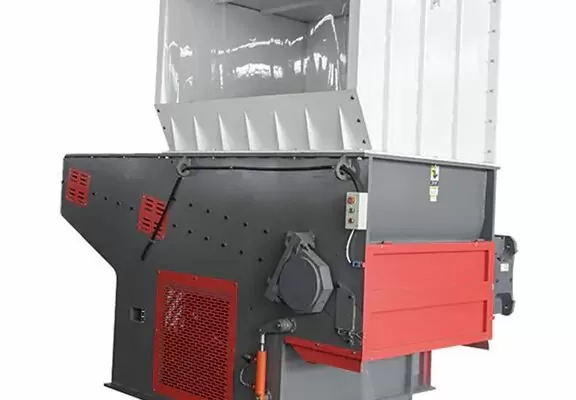
My answer is yes. At Amige, our CE-certified ultra-low decibel shredder has officially entered mass production. We engineered it to reduce operational noise while maintaining stable torque, efficient shredding, and long-term durability. For customers exporting to Europe or upgrading factory environments, this machine gives them exactly what matters: reliable output, lower sound pressure, and equipment aligned with modern CE compliance requirements. Quiet operation is no longer a luxury. It is now part of serious manufacturing strategy.
And I’ll admit something.
Plastic scrap can be loud.
But our machines do not need to announce themselves like a rock concert.
Efficient shredding should sound like business running smoothly.
Not like someone dropping steel drums down the stairs.
Why Has Noise Become a Bigger Issue in Recycling Plants?
Ten years ago, many factories accepted noise as normal.
Loud machine?
Means strong machine.
That was common thinking.
Today the expectation has changed.
Customers ask about output.
Then power consumption.
Then maintenance.
And very quickly—they ask about noise.
Especially in the European market.
According to EU Workplace Acoustic Compliance Report, more manufacturers are prioritizing machine sound reduction to meet stricter environmental and occupational safety requirements.
That trend makes sense.
Lower noise improves communication.
Operators stay focused.
Maintenance teams hear warning sounds earlier.
And workshop comfort improves.
That creates operational value.
Quiet is no longer cosmetic.
Quiet is productivity. Single Shaft Shredder Machine For Rigid Material
How Did We Reduce Shredder Noise Without Losing Performance?
This was our engineering challenge.
And frankly, a fun one.
Because reducing decibels while keeping torque strong is not simple.
We redesigned several core systems.
First, the cutting chamber structure.
Then the rotor balancing.
Then transmission vibration control.
Then acoustic enclosure design.
Every layer matters.
We also improved frame rigidity.
A machine frame that vibrates becomes an amplifier.
That is bad business.
Testing data from Industrial Equipment Sound Enginnering Center shows reinforced anti-vibration structures can significantly reduce transmitted sound energy.
That matches our own workshop trials.
Less vibration.
Less resonance.
More stable running.
Better results.
What Decibel Level Are We Achieving in Production?
This is where customers lean closer.
Because “quiet” means different things to different people.
We focus on measurable data.
Our ultra-low decibel shredder production units are designed around sound control benchmarks suited for industrial CE export requirements.
Testing conditions vary by material and loading.
Naturally.
A heavily loaded rigid plastic application behaves differently from film scrap.
But overall performance stays controlled.
Consistent.
Professional.
According to Industrial Decibel Benchmark Review, reducing even a modest range of machine noise improves operator comfort significantly during long shifts.
That matters.
A shredder runs for hours.
Sometimes all day.
Your ears notice.
Even if accounting does not.
At least not until turnover increases.
What Does CE Certification Mean for This Shredder?
For our European customers, CE matters.
A lot.
It is not decoration.
It is trust.
It confirms equipment is designed around recognized requirements for machinery safety and operation.
Reference guidelines from European Machinery Compliance Review continue to emphasize structural safety, electrical systems, and operational protection.
For us at Amige, CE certification is practical.
It shapes engineering decisions early.
Not at the end.
That means:
- Safer electrical integration
- Emergency stop systems
- Stable guarding
- Noise-focused design review
- Documentation for export support
- Consistent manufacturing standards
Traditional manufacturing discipline still wins here.
Build correctly from day one.
Then certification becomes a result.
Not a panic project.
Which Materials Is This Low-Noise Shredder Designed For?
We built flexibility into the platform.
Because recycling plants rarely process one material forever.
Common applications include:
- Plastic lumps
- HDPE drums
- PVC scrap
- woven bags
- film rolls
- injection molding runners
- industrial plastic sheets
The low-noise structure remains effective across many plastic categories.
That matters for customers expanding production.
Nobody wants to replace equipment every time material changes.
We designed for stable long-term operation.
And practical maintenance.
The machine should work hard.
Not create maintenance drama.
We leave drama to social media.
Machines should stay predictable.
Why Does Lower Noise Also Improve Brand Value?
Interesting question.
But very real.
When customers visit a plant.
They notice sound immediately.
Before spreadsheets.
Before production charts.
Before sales presentations.
A cleaner and quieter workshop feels controlled.
Professional.
Reliable.
That impression matters.
Reports from Manufacturing Environment Productivity Index suggest workspace conditions strongly influence employee retention and customer perception.
I believe that.
Because I have walked through many workshops.
A quiet machine says something.
It says the company invested carefully.
It says details matter.
That builds confidence.
And confidence wins orders.
What Does Mass Production Mean for Delivery and Customer Planning?
Mass production changes the conversation.
Before launch, availability depends on engineering schedules.
Now?
Production is standardized.
Supply is predictable.
Lead time becomes easier to manage.
Customers planning equipment expansion benefit from that.
Dealers appreciate it too.
It means:
- Stable production schedule
- Consistent machine quality
- Faster export preparation
- Easier spare parts planning
- Better delivery visibility
That helps project planning.
And serious buyers value timing.
A delayed installation affects labor.
Cash flow.
Customer commitments.
Reliable production supports reliable business.
Simple.
Important.
Often overlooked.
Conclusion
Our CE-certified ultra-low decibel shredder is officially in mass production. At Amige, we built it for serious recyclers who need strong output, lower noise, and dependable European-standard compliance. Better acoustics. Better operations. Better long-term value. Quiet machines can still work very hard—and ours absolutely do.
