
Buying your first Plastic Shredder Machine can look simple.
Find several manufacturers. Compare capacity, motor power, machine size, and price. Then choose the quotation that looks most attractive.
Unfortunately, this is exactly where expensive mistakes begin.
A shredder that looks powerful on a specification sheet may jam on your real material, consume too much electricity, produce the wrong particle size, or fail to match your existing Plastic Crusher or Washing Line.
After years of working with plastic recyclers, I have seen the same three purchasing mistakes repeatedly.
If you are buying a Plastic Shredder for the first time, avoid three costly mistakes: choosing mainly by price, accepting capacity figures without matching them to your actual material, and ignoring downstream equipment and long-term operating costs. At AMIGE, we prefer to understand the material, required throughput, final particle size, factory conditions, and recycling process before recommending a Single-Shaft Shredder, Double-Shaft Shredder, or complete Plastic Recycling Equipment solution.
The cheapest quotation saves money once.
The right shredder can save money every working day.
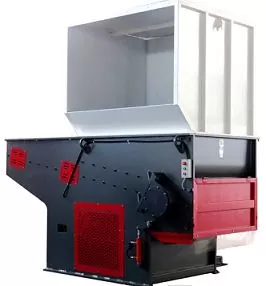
Mistake #1: Are You Choosing a Plastic Shredder Mainly by Price?
Every buyer has a budget.
Price matters.
But Plastic Shredder Price should never be evaluated alone.
Imagine two quotations.
Machine A is 15% cheaper.
Machine B costs more but offers more suitable feeding, better cutting performance, easier blade replacement, stable spare-parts supply, and fewer production interruptions.
Which one is actually cheaper after five years?
Before comparing prices, consider:
- Electricity consumption
- Blade life
- Screen replacement
- Bearing maintenance
- Operator requirements
- Spare parts
- Downtime
- Expected machine life
The purchase price appears once.
Operating costs appear every month.
For a recycling plant, total cost of ownership is usually much more important than the difference between two FOB quotations.
Buyer’s Check
Before choosing the lowest quotation, ask the supplier:
What will this machine cost me to operate per ton?
Precision Single Shaft Shredder for LDPE Film & Flexible Plastics
Mistake #2: Are You Trusting the Capacity Number Without Checking Your Material?
This is probably the most common mistake in a Plastic Shredder Buying Guide.
A supplier says:
Capacity: 800–1,000 kg/h.
Sounds excellent.
But 1,000 kg/h of what?
One ton of loose LDPE film behaves completely differently from one ton of HDPE blocks.
Actual capacity depends on:
- Polymer
- Material form
- Maximum dimensions
- Thickness
- Bulk density
- Feeding method
- Screen size
- Contamination
- Required output size
An Industrial Plastic Shredder processing lightweight film needs a very different feeding strategy from a machine processing thick purgings or pallets.
Therefore, do not ask only:
“What is the capacity?”
Ask:
“What capacity can this exact configuration achieve with my material and my required output size?”
That is a much better purchasing question.
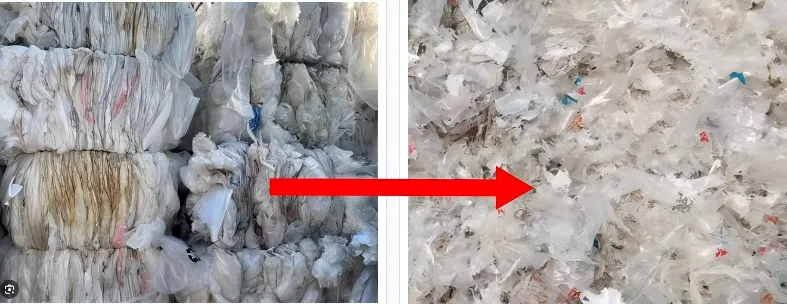
Buyer’s Check
Send your supplier:
Material photo + video + dimensions + target kg/h + required output size.
If possible, ask for testing with your material or a genuinely similar material.
Catalog numbers are useful.
Real material is more persuasive.
Mistake #3: Are You Buying a Shredder Without Considering the Next Machine?
A Plastic Shredder rarely works alone.
Your actual process may be:
Feeding → Shredding → Plastic Crusher → Washing → Dewatering → Pelletizing
This creates an important purchasing question:
What does the next machine need from the shredder?
Suppose the shredder produces material too large for your existing crusher.
You have a problem.
Suppose you select an unnecessarily small shredder screen.
Throughput may decrease while cutting cycles, energy consumption, and fines increase.
Suppose your new shredder can process 1,500 kg/h, but your existing Washing Line handles only 800 kg/h.
You have not purchased a 1,500 kg/h recycling line.
You have purchased extra waiting capacity.
Before ordering, confirm:
- Required shredder output size
- Plastic Crusher inlet requirements
- Conveyor capacity
- Washing Line capacity
- Final recycled product
At AMIGE, we prefer designing backward from the customer’s final objective.
First ask:
What do you want to produce?
Then decide what the shredder needs to do.
Heavy-Duty Plastic Crusher for Waste Plastic Film Recycling
Waste Plastic Film Recycling Machine for Post-Consumer & Industrial Film
Single-Shaft or Double-Shaft Shredder: Which Should You Buy?
First-time buyers frequently struggle with this decision.
There is no universal winner.
A Single-Shaft Shredder is often considered when the application requires:
- Hydraulic feeding
- Controlled output size
- Screen-based sizing
- Stable secondary processing
Typical materials can include film, woven bags, plastic blocks, injection molding waste, and selected rigid plastics.
A Double-Shaft Shredder is often used for high-torque primary size reduction.
Typical applications can include:
- Plastic drums
- IBC containers
- Large plastic products
- Bulky industrial waste
Do not choose according to which machine looks more powerful in a video.
Choose according to material behavior and downstream requirements.
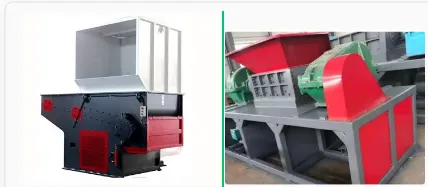
Single Shaft vs Double Shaft Shredders: Which One Fits Your Recycling Line?
What Specifications Should You Compare Between Plastic Shredder Manufacturers?
Once you have several quotations, put the prices aside temporarily.
Compare the engineering.
Ask about:
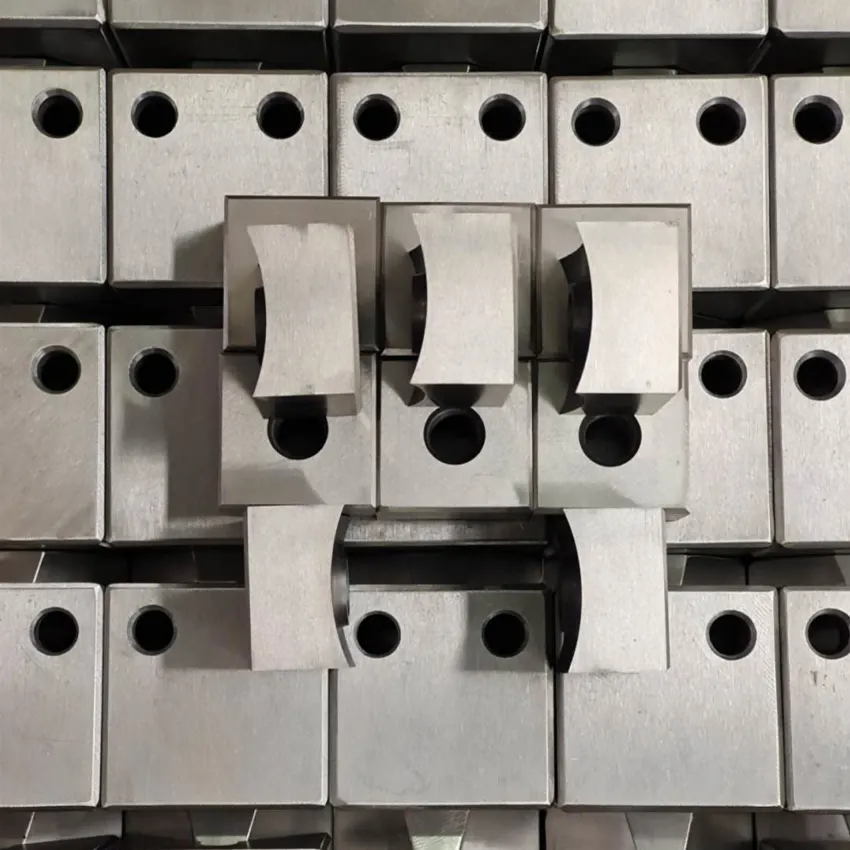
- Rotor dimensions
- Blade material
- Blade geometry
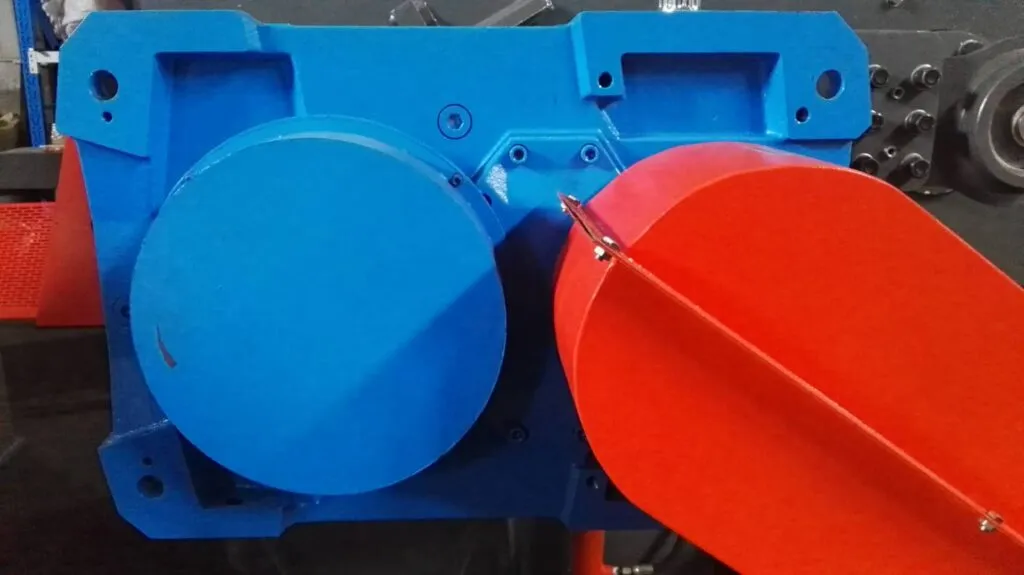
- Gearbox
- Bearings
- Hydraulic system
- Screen structure
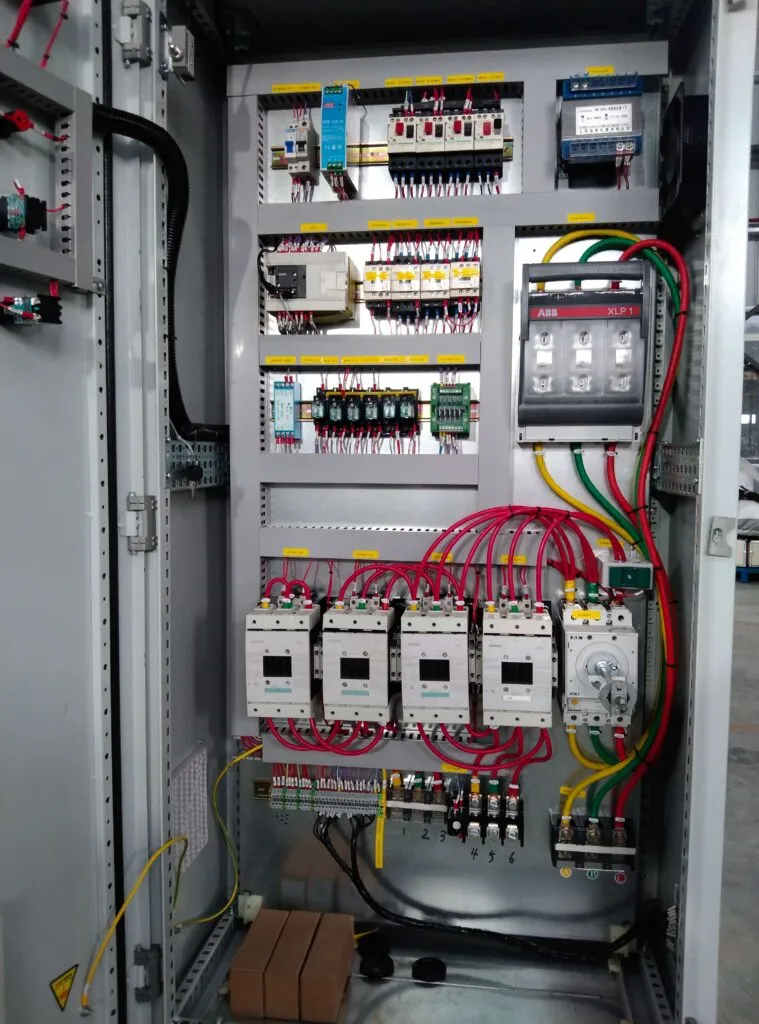
- PLC control
- Electrical components
- Safety protection
- Spare-parts availability
Then ask about maintenance.
How are blades replaced?
How long does screen replacement take?
Which components are wear parts?
Which spare parts should be ordered with the machine?
A professional Plastic Shredder Manufacturer should answer these questions clearly.
If the technical explanation consists mainly of:
“Very strong.”
“Best quality.”
“Best price.”
You need more information.
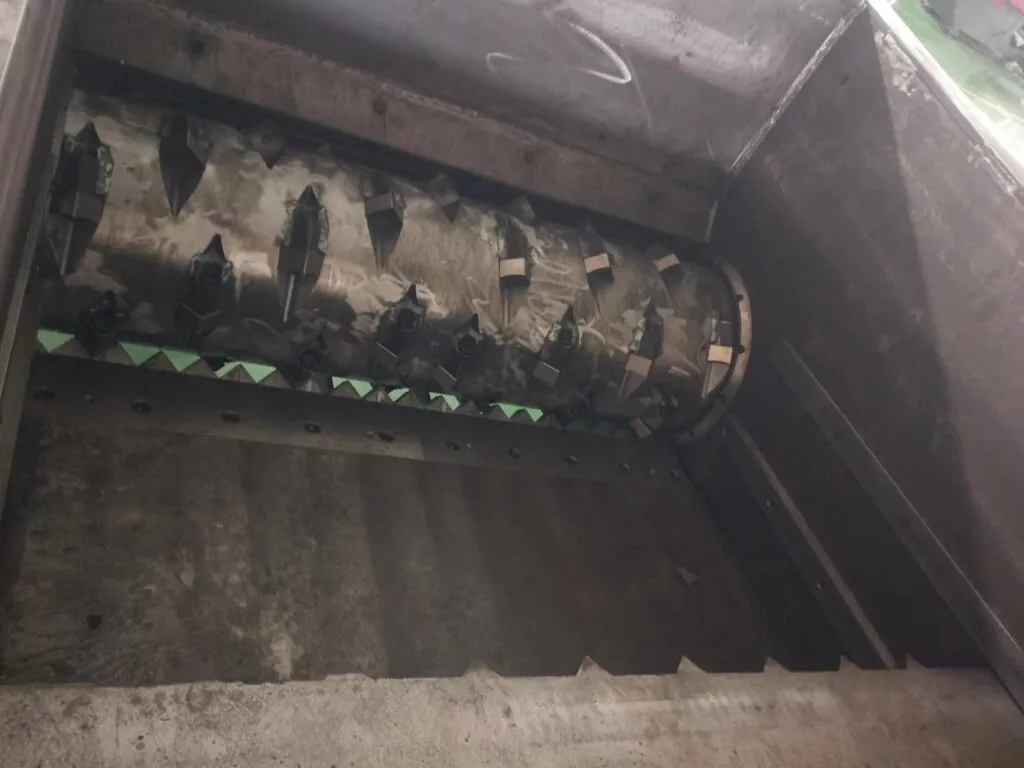
Why Should Energy Consumption Matter Before You Buy?
Do not compare machines only by motor kW.
Instead, think about:
Energy consumption per ton of processed plastic.
A smaller motor does not automatically mean lower operating cost.
If the machine constantly overloads or produces slowly, electricity consumption per useful ton may still be high.
The complete relationship matters:
Motor + Rotor + Blades + Feeding + Screen + Actual Throughput
For customers operating thousands of hours per year, even modest efficiency differences can become significant operating costs.
This is where a slightly more expensive High Efficiency Plastic Shredder may become economically attractive over its working life.
Why Is After-Sales Support Part of the Machine?
Eventually, every shredder needs maintenance.
You may require:
- Blades
- Screens
- Bearings
- Seals
- Hydraulic components
- Electrical parts
- Technical guidance
For overseas customers, the supplier’s ability to provide spare parts and remote support becomes especially important.
Ask before ordering:
How quickly can I get replacement blades?
Do you keep machine drawings and spare-parts records?
Can your engineers provide remote troubleshooting?
A machine is shipped once.
Technical support may be needed for years.
What Information Should You Prepare Before Requesting a Quotation?
This is the easiest way to receive a more accurate proposal.
Provide:
- Material name
- Material photos
- Material video
- Maximum dimensions
- Thickness or weight
- Contamination
- Required capacity
- Required output size
- Daily operating hours
- Local voltage
- Downstream process
Compare these two inquiries:
Inquiry A:
“I need a 1,000 kg/h Plastic Shredder.”
Inquiry B:
“We process HDPE pallets up to 1,200 × 1,000 mm. Target capacity is 1,000 kg/h. Required output is below 50 mm before secondary crushing. Voltage is 400V/50Hz/3Phase.”
I can engineer from Inquiry B.
Inquiry A requires guessing.
And guessing is an expensive engineering method.
Shredder Buying Checklist: Which 5 Technical Parameters Must You Confirm Before Placing an Order?
Conclusion
Buying your first Plastic Shredder should not begin with the lowest price or biggest motor. Avoid three costly mistakes: price-only comparison, unrealistic capacity assumptions, and ignoring downstream equipment. Start with your material, required output, and complete recycling process—the right machine should fit your production, not just your budget.
FAQ
1. How much does a Plastic Shredder cost?
Plastic Shredder Price depends on machine size, rotor configuration, motor power, blades, screen, hydraulic system, electrical components, conveyors, and customization. A meaningful quotation requires material and capacity information.
2. How do I verify the real capacity of a Plastic Shredder Machine?
Provide your actual material information and request a test where practical. Confirm material type, dimensions, screen size, feeding conditions, output size, and measured throughput rather than relying only on catalog capacity.
3. Should I buy a Single-Shaft or Double-Shaft Shredder?
A Single-Shaft Shredder is often suitable when hydraulic feeding and controlled output size are important. A Double-Shaft Shredder is commonly used for high-torque coarse reduction of bulky materials. Selection should depend on your actual application.
4. Can a Plastic Shredder connect with my existing Crusher or Washing Line?
Yes, in many cases. The supplier should confirm output size, feeding and discharge heights, conveyor capacity, electrical controls, crusher requirements, Washing Line capacity, and factory layout.
5. What information should I send a Plastic Shredder Manufacturer before requesting a quotation?
Send material name, photos or videos, maximum dimensions, thickness, contamination, target kg/h, required output size, daily operating hours, local voltage, and downstream process.