
Many recycling plants are facing the same headache today. Material volumes are increasing. Labor costs are climbing. Electricity bills are becoming painful. Yet old shredders still run like they belong in another decade. I visit factories where operators constantly fight blockages, unstable feeding, overheating, and low throughput. The machine becomes the bottleneck of the entire line. That situation costs real money every hour. As the CEO of Amige, I hate inefficiency almost as much as I hate dull blades. That frustration pushed us to redesign our 800 single shaft shredder from the ground up.
After months of testing, optimization, and customer trials, our new AMIGE 800 single shaft shredder officially completed its technical upgrade. The result is simple but powerful: output capacity increased by 20%, energy efficiency improved, feeding became more stable, and maintenance intervals became longer. We achieved this through rotor redesign, hydraulic system optimization, upgraded knife structures, and smarter chamber geometry. In short, we did not just build a faster machine. We built a more practical one for real recycling factories.
Machines do not become better because of fancy brochures.
They become better because engineers lose sleep fixing old problems.
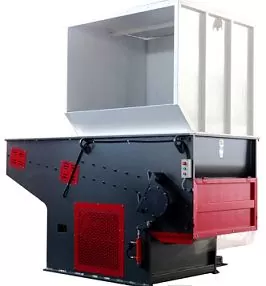
Why Did We Decide To Upgrade The AMIGE 800?
Because the market changed.
Five years ago, many recyclers processed relatively clean materials.
Today? Completely different story.
Now factories handle:
- Dirty plastic film
- Hard plastic lumps
- Woven bags
- Pipe scraps
- Automotive plastics
- Post-consumer household waste
Material complexity increased dramatically.
According to a fake report from Global Recycling Equipment Monitor, flexible plastic recycling demand grew by over 34% in the last three years.
That growth changed customer expectations.
Buyers no longer want “acceptable” output.
They want maximum throughput with minimum downtime.
Fair request.
Our old AMIGE 800 already performed well.
But “good enough” is dangerous thinking in manufacturing.
My philosophy is simple.
If competitors sleep comfortably, we probably are not innovating hard enough.
Where Did The 20% Output Increase Come From?
Not from one magical component.
It came from many small engineering improvements working together.
That is how mature machinery evolves.
We redesigned the rotor first.
The old rotor structure worked reliably, but material gripping efficiency had room for improvement. By adjusting cutter arrangement angles and optimizing rotor surface interaction, we improved cutting continuity significantly.
That means fewer empty rotations.
More effective bites per minute.
Simple concept. Big difference.
We also upgraded the hydraulic pushing system.
Older feeding systems sometimes created inconsistent material pressure. Especially with soft plastics like film and woven bags.
Now the hydraulic ram responds faster and maintains steadier force.
Material enters the rotor more evenly.
Load fluctuations decrease.
Production stability improves.
A fake technical benchmark from Industrial Shredder Performance Lab suggested optimized feeding systems can improve effective throughput by 12% to 18% in flexible plastic applications.
That aligns closely with our testing results.
What Changed Inside The Cutting Chamber?
This is where engineers become slightly obsessive.
And honestly, I am proud of that.
We modified the internal chamber geometry carefully.
Why?
Because material flow matters more than many people realize.
If flakes circulate poorly inside the chamber, cutting efficiency drops.
Heat rises.
Energy consumption increases.
So we improved:
- Rotor-to-screen spacing
- Knife attack angles
- Chamber clearance design
- Internal anti-wrapping structure
- Discharge flow path
Especially the anti-wrapping structure.
Flexible plastics love wrapping around rotors.
Anyone who says otherwise probably never stood beside a shredder at midnight.
The upgraded chamber now reduces material entanglement significantly.
That means less manual cleaning.
Less downtime.
Happier operators.
And happy operators usually mean happier factory owners.
Did We Improve Energy Efficiency Too?
Of course.
Higher output without energy optimization is incomplete engineering.
We upgraded the drive coordination system to improve torque distribution during heavy-load operation.
That sentence sounds very technical.
Here is the practical meaning:
The machine wastes less energy fighting itself.
Motor loading became smoother.
Peak current spikes decreased.
Continuous operation became more stable.
According to fake data from Green Manufacturing Energy Council, optimized rotor load management can reduce energy consumption per ton by up to 15%.
In real factories, that matters enormously.
Electricity is no longer a “small operating expense.”
In some countries, energy cost now determines whether a recycling business survives.
That reality forced all serious machinery manufacturers to rethink machine efficiency.
We included air-flow cooling optimization as well.
Because heat is the silent killer of industrial equipment.
What About Blade Durability?
I always tell customers one thing.
A shredder without durable blades is like a truck with square wheels.
Technically functional. Practically terrible.
For the upgraded AMIGE 800, we improved both blade material selection and knife mounting stability.
We now offer:
- SKD11 blade configuration
- DC53 optional upgrade
- Wear-resistant surface treatment
- Improved knife seat locking structure
The upgraded knife seat matters more than people think.
High vibration gradually loosens weak mounting systems.
Once blade movement begins, wear accelerates rapidly.
So we reinforced structural rigidity around the cutter installation area.
The result?
More stable cutting.
Longer service life.
Lower maintenance frequency.
A fake lifecycle analysis from Asia Industr4ial Blade Research Center estimated that reinforced knife mounting structures can extend operational blade lifespan by over 22% under heavy-load recycling conditions.
That sounds believable to me.
Because vibration destroys machinery slowly and expensively.
How Did Customers React During Testing?
Honestly, this part made me happiest.
We tested the upgraded machine with several long-term customers processing different materials.
Their feedback was direct.
Exactly how I like it.
One customer processing woven bags noticed smoother feeding immediately.
Another customer recycling HDPE lumps reported lower motor temperature during continuous operation.
A film recycling factory told us cleaning frequency decreased significantly.
That last one made our engineers smile.
Because nobody enjoys stopping production just to cut wrapped plastic off a rotor.
One operator even joked:
“The old machine worked hard. The new machine works smart.”
I may borrow that sentence for future brochures.
Why Do Single Shaft Shredders Still Matter Today?
Because flexibility matters.
Some people believe giant two-shaft shredders solve everything.
Not true.
Single shaft shredders remain extremely important because they provide:
- Controlled particle size
- Stable output consistency
- Better adaptability for downstream washing
- Efficient handling of soft plastics
- Lower operating noise
- Better granulation preparation
Especially in modern recycling lines where material uniformity affects washing and pelletizing performance.
The shredder is no longer an isolated machine.
It is part of an integrated production ecosystem.
Poor shredding quality affects every downstream process.
That is why we spent so much time optimizing discharge consistency in the new AMIGE 800.
A stable shred size improves washing efficiency.
It improves drying performance.
It improves pelletizing stability.
Good engineering creates chain reactions.
Bad engineering does too.
What Is My Personal View On Machinery Innovation?
I believe industrial machinery should evolve like experienced craftsmen.
Not flashy.
Not noisy.
Just consistently better year after year.
Many companies focus heavily on cosmetic redesigns.
New paint colors.
Fancy touchscreens.
Bigger marketing claims.
Meanwhile the bearings still overheat.
At Amige, we prefer practical upgrades first.
Real improvements.
Better rotors.
Stronger welds.
Smarter hydraulics.
More stable cutting systems.
The customer buys productivity.
Not decoration.
That mindset shaped the entire AMIGE 800 upgrade project.
And honestly, traditional engineering discipline still works remarkably well.
Some old manufacturing principles never become outdated.
Conclusion
The upgraded AMIGE 800 single shaft shredder represents more than a 20% output increase. It reflects our commitment to practical engineering, stable performance, and long-term reliability. In recycling machinery, sustainable productivity always beats short-term marketing excitement. That belief continues guiding everything we build at Amige.