

Every week, I meet recyclers staring at mountains of discarded carpets, textile scraps, and mixed fiber waste. The problem is familiar. Carpets are bulky. Fibers wrap around shafts. Landfill costs keep rising. Many facilities try to cut or bale the material first, only to discover that labor costs and machine downtime eat into profits. I have seen operators spend more time clearing jams than processing material. That is frustrating and expensive. The good news is that a properly configured single-shaft shredder can turn this headache into a manageable recycling stream.
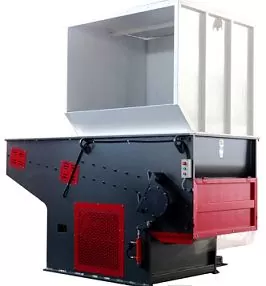
In my experience, a single-shaft shredder is one of the most practical machines for processing waste carpets and fibers because it provides controlled cutting, stable output size, and lower operating costs than many alternative methods. The rotor pulls material against a hydraulic ram, reducing the risk of uncontrolled bouncing. This makes it especially effective for tufted carpets, woven textiles, and mixed fiber products. When combined with proper screening and downstream separation, the shredded material can be prepared for recycling, energy recovery, or further processing.
I have spent years helping customers match shredders to difficult materials. Carpets and fibers are among the most deceptive waste streams. They look soft, but they can punish the wrong machine.
Why are carpets and fibers difficult to shred?
The challenge comes from their structure.
Carpets often contain:
Multiple layers
Face fibers, backing, and adhesive layers behave differently during cutting.
Long, tough fibers
Nylon, polyester, polypropylene, and natural fibers can wrap around rotating components.
Large volume, low density
Transportation and storage become inefficient before processing.
Contaminants
Dirt, rubber, metal staples, and other debris frequently appear in post-consumer carpet waste.
According to industry analyses, carpet waste has become a significant landfill contributor in many regions, creating pressure for more efficient recycling solutions.
What makes a single-shaft shredder suitable?
I prefer single-shaft shredders for this application because they offer controlled feeding and cutting.
Key advantages include:
Hydraulic ram feeding
The ram pushes material steadily toward the rotor, improving grip on bulky carpets.
Replaceable knives
Wear parts can be serviced individually, reducing maintenance costs.
Adjustable screen size
Output particle size can be tailored for downstream requirements.
Overload protection
Modern systems can reverse automatically when excessive load is detected.
In practical operation, this means fewer jams and more consistent throughput compared with many basic cutting systems. Single Shaft Shredder Machine For LDPE Film
What materials can I process?
Our customers commonly shred:
Carpet rolls and carpet tiles
PP woven bags
Nonwoven fabrics
Textile production scraps
Synthetic fiber waste
Natural fiber residues
The exact configuration depends on fiber type, moisture content, contamination level, and desired output size.
How do I configure the machine?
A common mistake is choosing a shredder based only on motor power.
I look at the entire process:
1 Feed opening size
Large carpet rolls require a wider hopper and rotor.
2 Rotor design
Aggressive cutters work well for dense materials, while certain fibers benefit from optimized hook geometry.
3 Screen selection
Smaller screens produce finer output but reduce throughput. Larger screens increase capacity but may require secondary processing.
4 Contaminant handling
Magnetic separation and pre-inspection can prevent damage from metal objects.
When customers provide material samples, I prefer to run tests before finalizing the configuration.
What throughput can I expect?
Throughput varies widely.
Typical factors include:
| Factor | Effect on Capacity |
|---|---|
| Material density | Higher density usually lowers throughput |
| Moisture content | Wet material can reduce efficiency |
| Screen size | Smaller screen decreases capacity |
| Rotor speed | Must be balanced with torque requirements |
| Contamination level | More contaminants often slow operation |
Industry reports indicate that properly optimized shredding systems can significantly improve material preparation efficiency and reduce transportation costs by increasing bulk density.
What happens after shredding?
Shredding is usually only the first step.
Depending on the recycling goal, the next stages may include:
Fiber separation
Metal removal
Granulation
Pelletizing
Preparation for alternative fuel use
For carpet recycling, separating backing materials from fibers can create more valuable secondary products.
What maintenance lessons have I learned?
Carpets and fibers are not the hardest materials to cut, but they can be demanding on maintenance.
My recommendations:
Inspect knives regularly.
Clean wrapped fibers from shafts and seals.
Monitor hydraulic pressure and oil condition.
Check screens for wear and blockage.
Train operators to identify overload conditions early.
Preventive maintenance is usually cheaper than emergency downtime. That may sound old-fashioned, but I have yet to meet a recycler who enjoys paying for rushed repairs.
Is the investment worthwhile?
For operations handling substantial volumes of carpet or textile waste, the answer is often yes.
Benefits can include:
Lower transportation costs
Shredded material is denser and easier to move.
Reduced storage space
Compacted shredded material occupies less volume.
Improved recycling efficiency
Consistent feedstock helps downstream separation and processing.
Potential revenue from recovered materials
Clean fibers and backing fractions can become marketable secondary products.
The economics depend on local disposal costs, material value, and operating efficiency.
Conclusion
Waste carpets and fibers are challenging, but they are not impossible. In my experience, a well-designed single-shaft shredder provides the control, reliability, and flexibility needed to process these materials efficiently. The key is matching the machine configuration to the actual waste stream rather than buying equipment based only on headline horsepower.
