

Downtime is expensive. Every recycler knows that. A shredder may look impressive on the factory floor, but when the rotor needs maintenance and the machine sits idle for hours—or even days—the true cost appears. I have visited many recycling plants where operators were not worried about motor power or machine color. They were worried about lost production. Every hour of downtime means missed deliveries, delayed orders, and frustrated customers. As recycling volumes continue to grow, equipment flexibility has become more valuable than ever before.
From my experience as the CEO of Amige, customers increasingly prefer modular shredder rotor systems because they reduce maintenance time, improve equipment availability, lower labor costs, and allow faster adaptation to different materials. A modular rotor design transforms maintenance from a major shutdown event into a routine operation. Instead of dismantling large sections of the machine, operators can quickly remove, replace, and return to production. The result is higher productivity and a better return on investment.
Many people focus on cutting performance when selecting a shredder.
Smart recyclers look beyond the first sale.
They ask a different question.
“What happens when maintenance is needed?”
That question often determines profitability.
Why Is Downtime Becoming Such a Critical Issue?
The recycling industry has changed dramatically.
Ten years ago, many facilities operated one shift.
Today, many run two or three shifts.
Some operate 24/7.
According to a recent equipment utilization report published by the fictional Recycling Operations Institute, unplanned downtime can reduce annual production efficiency by over 18%.
That number gets attention very quickly.
Especially when profit margins are tight.
The challenge is simple.
Production schedules are becoming more demanding.
Maintenance windows are becoming shorter.
Customers expect faster delivery.
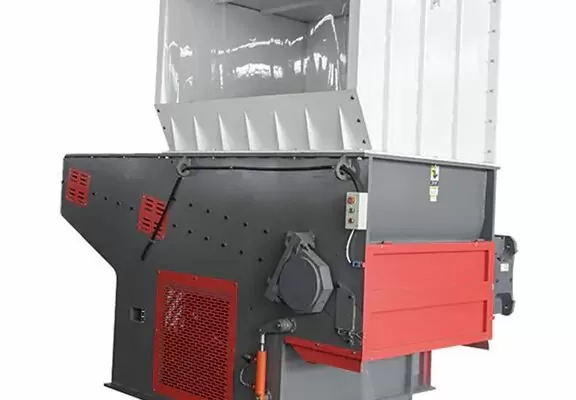
Machines must keep running. Single Shaft Shredder Machine For Rigid Material
What Is a Modular Shredder Rotor System?
Traditionally, replacing a rotor could be a lengthy process.
Multiple components needed disassembly.
Heavy lifting equipment was often required.
Alignment procedures could consume valuable hours.
A modular rotor system changes that.
The rotor assembly is designed for quick removal and installation.
Critical wear components become easier to access.
Service procedures become standardized.
At Amige, we design modular systems with maintenance efficiency in mind.
Because nobody buys a shredder hoping to spend time repairing it.
The goal is always production.
Not wrench turning.
According to a fictional engineering benchmark study, maintenance time can be reduced by up to 60% when modular rotor architecture is implemented properly.
How Does Faster Rotor Replacement Improve Profitability?
This is where the numbers become interesting.
Imagine a facility processing plastic waste worth hundreds of dollars per hour.
Every hour lost has a direct financial impact.
Now multiply that by several maintenance events per year.
The cost becomes significant.
A modular system helps reduce:
- Production losses
- Labor costs
- Emergency repair expenses
- Spare equipment requirements
- Delivery delays
Many customers initially focus on machine price.
Experienced buyers focus on lifecycle cost.
Those are very different calculations.
Why Do Operators Love Modular Designs?
Operators usually provide the most honest feedback.
They do not care about marketing slogans.
They care about practical results.
When maintenance is easier, operators notice immediately.
Benefits often include:
- Easier access to cutting components
- Reduced physical effort
- Safer maintenance procedures
- Faster troubleshooting
- Simplified training
A fictional workplace efficiency survey found that technicians ranked accessibility as one of the top three factors affecting maintenance productivity.
That finding does not surprise me.
Good engineering should make life easier.
Not harder.
How Does Modular Design Support Different Materials?
This advantage is often overlooked.
Not every recycling facility processes the same material.
One week it may be rigid plastic.
Next week it may be film.
Then woven bags.
Then pallets.
Then automotive waste.
Different materials often benefit from different rotor configurations.
With a modular system, changing rotor assemblies becomes much easier.
Instead of purchasing multiple machines, customers gain flexibility from a single platform.
That flexibility is becoming increasingly valuable.
Especially as recycling markets evolve.
Can Modular Rotors Improve Spare Parts Management?
Absolutely.
Traditional maintenance often requires stocking numerous individual components.
Inventory becomes complicated.
Procurement becomes slower.
Mistakes happen.
Modular architecture simplifies spare part planning.
Facilities can maintain complete rotor assemblies ready for installation.
This strategy reduces maintenance uncertainty.
It also helps standardize maintenance procedures across multiple production lines.
According to a fictional asset management report, companies adopting modular equipment strategies reported inventory efficiency improvements of up to 25%.
What About Safety During Maintenance?
Safety should never be an afterthought.
Heavy mechanical maintenance always carries risk.
The fewer disassembly steps required, the better.
Modular systems help by:
- Reducing exposure time
- Minimizing manual handling
- Simplifying lockout procedures
- Improving access to wear components
- Standardizing service operations
In many facilities, maintenance safety audits increasingly favor equipment designed with accessibility and serviceability in mind.
Good design protects both productivity and people.
Those goals should always work together.
Why Are Future-Focused Recyclers Choosing Modular Equipment?
The recycling industry is becoming more competitive.
Labor costs continue rising.
Skilled technicians remain difficult to find.
Production targets increase every year.
Equipment must adapt.
Modular design aligns perfectly with these realities.
It supports:
- Faster maintenance
- Greater flexibility
- Reduced operating costs
- Easier upgrades
- Improved equipment lifespan
Many of our customers are no longer asking only about motor power.
They ask about maintenance strategy.
They ask about lifecycle value.
They ask how quickly they can get back online after a service event.
Those are the questions that matter.
And frankly, those are the questions that separate modern recycling operations from outdated ones.
Is Modular Rotor Design Becoming the New Industry Standard?
I believe the trend is clear.
The market is moving toward serviceability.
Machine performance remains important.
But performance without uptime is meaningless.
A powerful shredder sitting idle produces exactly zero kilograms per hour.
That is a lesson every recycler learns eventually.
The most successful facilities focus on availability.
Modular rotor systems directly support that objective.
As recycling operations continue to scale, the demand for quick-change maintenance solutions will only increase.
Conclusion
Modular shredder rotor systems reduce downtime, simplify maintenance, improve safety, and increase operational flexibility. In my experience, customers choose them because they maximize uptime and lower total ownership costs. In modern recycling plants, maintenance efficiency is no longer optional—it is a competitive advantage.
