

A used plastic shredder can be a reasonable investment when its condition, documentation and performance are verified against the buyer’s real material. A low purchase price is not enough. Remaining service life, refurbishment, controls, safety, installation and downtime determine the real cost.
Do not buy a used shredder from photos alone. Inspect the mechanical, electrical and hydraulic systems, test representative feed and calculate the total installed cost before comparing it with a new machine.
I’m Jacky, CEO of AMIGE. The most expensive used machine is often the one that reaches the factory before anyone confirms the rotor, cutters, gearbox, controls and spare-parts situation.
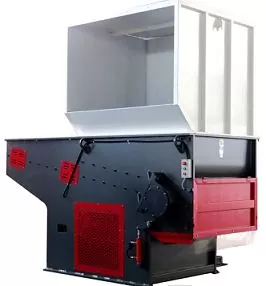
Used plastic shredder inspection checklist
| Inspection area | Evidence to request | Potential cost exposure |
|---|---|---|
| Rotor or shafts | Runout, cracks, weld repairs, keyways and wear measurements | Machining, repair or replacement |
| Cutters and fixed knives | Remaining dimensions, chips, cracks, sharpening history and clearance | New cutters, fasteners and setup labor |
| Gearbox and drive | Oil condition, noise, temperature, backlash, leaks and service records | Rebuild, seals, bearings or replacement |
| Bearings and seals | Temperature, vibration, lubrication and contamination signs | Downtime and difficult disassembly |
| Hydraulic system | Pressure, leakage, oil condition, cylinder and valve operation | Pump, seals, hose or cylinder repair |
| Electrical and controls | Drawings, PLC backup, alarms, interlocks and component availability | Rewiring, new controls and commissioning |
| Frame and chamber | Cracks, deformation, corrosion and previous reinforcement | Structural repair and alignment |
| Safety system | Guards, emergency stops, access switches and lockout points | Compliance upgrades before operation |
Confirm machine identity and history
- Manufacturer, model, serial number and year
- Original material, duty and operating hours
- Maintenance, repair and refurbishment records
- Reason for sale and current storage condition
- Manuals, electrical drawings and PLC backup
- Available cutters, screens, bearings and other spares
- Known accidents, overloads, fire, flooding or structural repair
Missing history does not automatically make the machine unusable, but it increases uncertainty. Price that risk before committing to transport and installation.
Test the used shredder with representative material
A no-load video confirms very little. Use the buyer’s material or a clearly comparable feed and agree on the test method.
- Record material composition, dimensions, weight and contamination.
- Inspect the machine before starting and verify safety controls.
- Run long enough to observe stable feeding, load and temperature.
- Measure input, usable output, rejects and stoppages.
- Check output size against the next process.
- Record motor load, hydraulic behavior, noise, vibration and leaks.
- Inspect cutters, screen, bearings and oil after the test.
Calculate total installed cost—not purchase price
- Purchase price and inspection cost
- Dismantling, packing, freight, customs and unloading
- Cleaning, refurbishment and replacement wear parts
- Electrical conversion, PLC work and safety upgrades
- Foundation, conveyors and downstream integration
- Installation, commissioning and operator training
- Initial spares and expected early maintenance
- Production risk while parts or documentation are unavailable
Compare the resulting cost with the performance, support and warranty of a suitable new machine. Our plastic shredder ROI guide provides a consistent payback and total-cost framework.
When can a used shredder make sense?
- The machine architecture suits the real material and output.
- Condition can be independently inspected and tested.
- Critical spare parts, drawings and control support remain available.
- Required refurbishment and compliance work are known.
- The buyer has the maintenance capability to manage the risk.
- Total installed cost creates a clear advantage over a suitable new system.
When is a new shredder the safer choice?
A new machine may be preferable when the feed is difficult, uptime is critical, local compliance changes are extensive, the used machine lacks documentation or the buyer needs a configuration designed around future capacity.
Use our plastic shredder buying checklist to compare the used option and the new quotation with the same material and acceptance conditions.
Information AMIGE needs for a replacement review
Send the used machine model, nameplate, photos, inspection findings, available drawings, material, maximum feed size, target output, hourly requirement, operating hours, voltage and factory layout. AMIGE can compare refurbishment risk with a new-machine configuration without assuming the used machine is automatically unsuitable.
Frequently asked questions
Is a used plastic shredder worth buying?
It can be when condition, performance, parts and total installed cost are verified. Purchase price alone cannot answer the question.
What is the most expensive hidden risk?
It varies, but unavailable shafts, rotor, gearbox, controls or critical documentation can create long downtime and major retrofit cost.
Can a no-load test confirm machine condition?
No. It can reveal basic operation, but a representative load test is needed to observe feeding, torque, heat, vibration, output and control response.
Should the cutters always be replaced?
Not automatically. Measure their condition, dimensions, cracks, sharpening history and clearance before deciding to rotate, sharpen or replace them.
What documents should come with a used shredder?
Request the manual, electrical and hydraulic drawings, PLC backup, parts list, maintenance records, safety documentation and known repair history.
