

Plastic recycling incentives can improve project economics, but they are not the foundation of a viable plant. A project still needs reliable feedstock, an achievable product specification, a confirmed market, compliant operations and equipment that can meet the agreed performance conditions.
Do not buy a recycling line only because a grant or tax benefit may be available. Confirm eligibility in writing, model the plant without the incentive, and treat approved support as one part of the financing structure.
I’m Jacky, CEO of AMIGE. When a buyer mentions funding, I focus on the technical evidence the application will need: material, capacity, yield, utilities, layout, environmental controls, operating cost and the value of the saleable output.
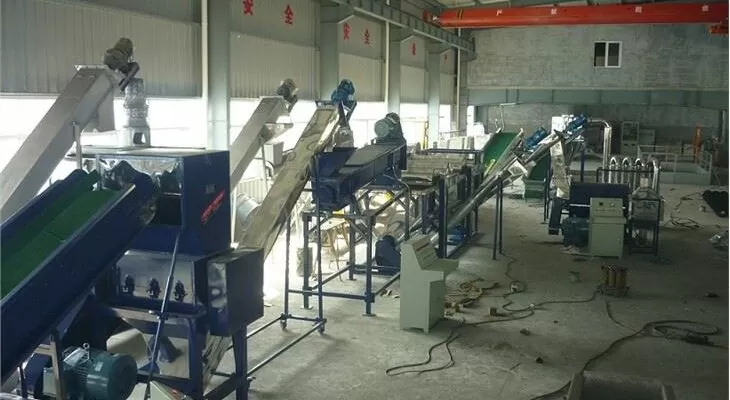
Are economic incentives the key to plastic recycling?
They can reduce financing pressure, support infrastructure or strengthen demand, but they cannot correct weak feedstock supply, poor product quality or an absent buyer. The strongest project can explain how it operates after temporary support ends.
Programs, definitions and deadlines differ by location and change over time. Project owners should verify current rules with the responsible authority and qualified local advisers before committing capital.
Common types of plastic recycling incentives
| Incentive type | Possible project effect | Buyer verification |
|---|---|---|
| Capital grant or equipment subsidy | May offset part of eligible capital expenditure | Eligible equipment, local-content rules, timing and reimbursement basis |
| Tax credit or accelerated depreciation | May change after-tax project returns | Taxpayer eligibility and treatment by a qualified adviser |
| Low-interest or guaranteed financing | May reduce financing cost or improve access to debt | Security, term, covenants and performance conditions |
| Deposit-return or collection support | May improve recovery of selected packaging streams | Material scope, collection ownership and quality |
| Producer-responsibility or recycled-content policy | May strengthen collection funding or demand | Local obligations, verified output and contracting structure |
| Utility or efficiency support | May support eligible motors, controls or resource-saving measures | Measurement method, baseline and approved equipment list |
Five checks before relying on an incentive
- Eligibility: Confirm the applicant, site, material, technology and expenditure qualify.
- Timing: Some programs require approval before ordering, paying or starting construction.
- Evidence: Identify the quotations, permits, energy data, output commitments and financial records required.
- Cash flow: Determine whether support is paid upfront, reimbursed later or delivered through tax treatment.
- Continuity: Test whether the project remains operable if the award is delayed, reduced or not renewed.
Build the investment case before selecting equipment
- Contracted or realistically available feedstock by resin and condition
- Incoming contamination, moisture and seasonal variation
- Saleable output specification and potential offtake
- Good-output yield rather than input capacity alone
- Electricity, water, heat, labor and waste-disposal cost
- Wear parts, maintenance, downtime and technical staffing
- Permitting, wastewater, dust, noise and fire-control requirements
- Working capital, ramp-up time and product qualification
Our plastic recycling plant cost guide explains why building, utilities, installation, commissioning and working capital must be evaluated with the machinery.
What equipment information supports a funding application?
- Process flow from receiving to saleable output
- Feed specification and performance assumptions
- Capacity stated with input and good-output basis
- Equipment list and scope boundaries
- Installed power, expected utilities and operating hours
- Water circulation, wastewater and moisture strategy
- Factory footprint, access and foundation requirements
- Safety, environmental and control features
- Commissioning, training, warranty and spare-parts scope
- Testing and acceptance criteria
A supplier quotation should show what is included and excluded. Generic capacity claims do not provide enough evidence for a project model or a responsible funding decision.
How to evaluate equipment ROI without overstating the incentive
Model revenue from saleable output, not total input. Subtract feedstock, labor, utilities, wear parts, maintenance, rejects, wastewater, logistics and financing. Test lower output price, lower yield, higher contamination and slower ramp-up.
Track energy per good-output ton together with quality and uptime. Our plastic recycling energy-efficiency guide provides a stage-by-stage measurement approach.
Match the recycling line to the funded project
A rigid PE or PP container project may require sorting, size reduction, friction washing, separation, dewatering, drying and possibly pelletizing. Film, PET bottles or post-industrial scrap require different configurations. Do not use a grant category as the technical specification.
Review the AMIGE plastic washing line, then send real feed and output data so the required stages can be confirmed.
Information needed for a technical project proposal
Send the project country and site, material photos or samples, resin composition, contamination, hourly input, annual operating plan, target output, offtake requirement, utilities, layout and any written funding criteria. AMIGE can prepare the technical scope, while the buyer and local advisers confirm legal and financial eligibility.
Frequently asked questions
Can a grant pay for an entire plastic recycling line?
Program coverage varies. Some support only defined eligible costs or reimburse part of approved expenditure. Confirm the current rules and approval timing before ordering equipment.
Should I buy equipment before the incentive is approved?
Not without checking the program. Some incentives exclude costs committed before approval. Obtain written guidance from the responsible authority or qualified local adviser.
What makes a recycling project financially viable?
Reliable feedstock, saleable output, acceptable yield, controlled operating cost, uptime, compliance and working capital matter more than one funding source.
What equipment data is useful for a funding application?
Provide the process flow, equipment scope, feed assumptions, capacity and yield basis, utilities, layout, environmental controls, commissioning scope and acceptance criteria.
Can AMIGE confirm whether my project qualifies for a local incentive?
AMIGE can provide machinery and process information. Eligibility, tax treatment, permits and funding approval must be confirmed with the responsible local authority and qualified advisers.
