
Dust is often underestimated in recycling plants. Most operators focus on throughput, blade life, and energy consumption. Then one day, a cloud of fine plastic dust, rubber particles, or combustible material reminds everyone that safety cannot be treated as an afterthought. In high-dust shredding applications, a small spark can become a major operational risk. I have visited facilities where managers invested heavily in production equipment but overlooked explosion prevention. That gap can be costly. More importantly, it can be dangerous.
The solution is not simply installing a bigger shredder. It is designing a shredder specifically for hazardous dust environments. Our special explosion-proof shredder has successfully passed safety testing through a combination of anti-spark engineering, explosion-resistant electrical systems, intelligent monitoring, and reinforced safety architecture. The result is a machine that helps customers process challenging materials while maintaining high safety standards and operational reliability.
Safety and productivity should never compete with each other.
A modern recycling plant deserves both.
That belief has guided every stage of our explosion-proof shredder development.
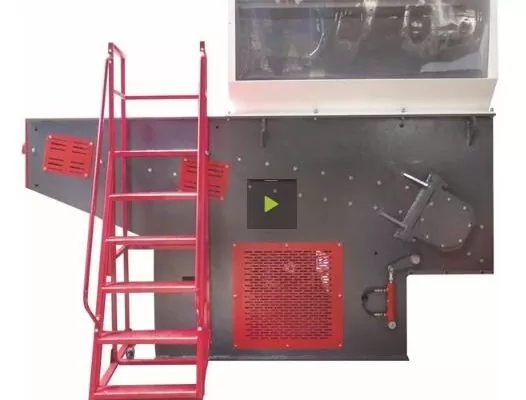
Why Is Dust a Serious Safety Hazard in Shredding Operations?
Many people see dust.
Engineers see fuel.
Fine particles suspended in air can create explosive atmospheres under specific conditions.
The risk becomes higher when processing:
- Plastic powders
- Rubber crumbs
- Textile waste
- Wood residues
- Agricultural films
- Mixed combustible materials
According to the Industrial Dust Safety Research Center, combustible dust incidents continue to be a major concern across manufacturing and recycling industries.
A dust explosion requires only a few ingredients:
- Combustible dust
- Oxygen
- Ignition source
- Dispersion
- Confinement
Unfortunately, many shredding systems naturally contain all five.
That is why prevention starts at the machine design stage. Single Shaft Shredder Machine For Waste Cardboard
What Industries Need Explosion-Proof Shredders Most?
Not every application requires special protection.
However, some industries face significantly higher risks.
Examples include:
- Plastic recycling plants
- Tire recycling facilities
- Chemical packaging recycling
- Textile waste processing
- Biomass recycling operations
- Alternative fuel production plants
The Global Hazardous Processing Association identifies dust-generating size-reduction equipment as one of the most critical safety control points in these industries.
When materials become finer, risks become greater.
Simple physics.
Complicated consequences.
What Does Explosion-Proof Certification Actually Mean?
Many buyers hear the term “explosion-proof.”
Few understand what it involves.
A genuine explosion-protection strategy covers multiple systems.
It is never just one component.
Key areas often include:
Explosion-Protected Electrical Components
Motors.
Sensors.
Control cabinets.
Wiring systems.
All must meet specific protection requirements.
Spark Prevention Measures
Reducing potential ignition sources is critical.
This includes careful material selection and mechanical design.
Temperature Monitoring Systems
Continuous monitoring helps detect abnormal operating conditions before they become hazards.
Grounding and Static Control
Static electricity may appear harmless.
In dust-rich environments, it deserves respect.
Certification standards often reference internationally recognized requirements such as those discussed by the Industrial Equipment Compliance Institute.
A sticker alone does not create safety.
Engineering does.
How Did We Design Our Special Explosion-Proof Shredder?
At AMIGE, we started with a simple question.
What would we want if this machine were operating inside our own facility?
The answer was clear.
Multiple layers of protection.
Not just one.
Our engineering team focused on:
- Explosion-proof motors
- Sealed electrical systems
- Advanced overload protection
- Intelligent temperature detection
- Anti-static design
- Dust control integration
- Emergency shutdown protocols
Every component contributes to the overall safety strategy.
Think of it like a chain.
Its strength depends on every link.
Why Is Temperature Monitoring So Important?
Most ignition events begin long before anyone notices.
Bearings heat up.
Rotors experience abnormal friction.
Material accumulates.
Temperatures rise gradually.
Without monitoring, operators may not realize a problem exists.
Modern thermal monitoring systems provide:
- Real-time temperature feedback
- Automated alarms
- Predictive maintenance insights
- Emergency shutdown activation
According to the Advanced Industrial Monitoring Laboratory, early temperature detection significantly reduces operational risk in high-dust environments.
Machines usually provide warnings.
The challenge is listening before failure occurs.
How Does Dust Collection Improve Safety?
Dust collection is not just housekeeping.
It is risk management.
A properly designed extraction system helps:
- Reduce airborne particles
- Improve visibility
- Protect equipment
- Enhance operator health
- Lower explosion potential
Many customers focus on shredders.
I encourage them to view the entire system.
The shredder.
The ducting.
The filters.
The extraction units.
The monitoring devices.
Safety is a process.
Not a product.
The Global Dust Management Council reports that integrated dust management systems consistently improve operational safety performance.
What Safety Tests Did the Machine Undergo?
Testing is where theory meets reality.
Design assumptions are valuable.
Verification is better.
Our explosion-protection development process included:
Electrical System Validation
Every critical electrical component underwent performance verification.
Temperature Stress Testing
Extended operation under heavy load conditions.
Overload Response Testing
Ensuring protective systems activate correctly.
Emergency Shutdown Verification
Response times matter.
Especially during abnormal events.
Continuous Duty Operation
Real-world operating conditions often expose weaknesses.
Testing helps eliminate surprises.
The Industrial Machinery Verificaiton Group highlights the importance of comprehensive testing programs for hazardous environment equipment.
Passing a test is important.
Building confidence is even more important.
Does Safety Reduce Productivity?
This is one of my favorite myths.
No.
Good safety design often improves productivity.
Why?
Because safer machines typically experience:
- Less downtime
- Fewer failures
- Better maintenance planning
- Longer equipment life
- Higher operator confidence
A machine that constantly triggers problems is not productive.
It is distracting.
Reliable equipment supports stable production.
That is exactly what manufacturers should pursue.
What Should Buyers Verify Before Purchasing an Explosion-Proof Shredder?
I recommend asking suppliers these questions:
- Which safety standards were considered?
- Are electrical components explosion-rated?
- Is temperature monitoring included?
- What dust control options are available?
- How does overload protection operate?
- Has the machine undergone documented testing?
- What materials is the system designed to process?
The quality of answers often reveals the quality of the supplier.
Technical transparency matters.
Especially when safety is involved.
Why Will Explosion-Proof Equipment Become More Important in the Future?
Recycling facilities are becoming larger.
Automation is increasing.
Material throughput continues to rise.
Dust generation is unlikely to decrease.
As environmental regulations become stricter and workplace safety expectations continue to evolve, explosion-protection technology will become increasingly important across the recycling sector.
Forward-thinking operators are already preparing.
The safest investment is often the one made before a problem appears.
Conclusion
Explosion-proof shredders are no longer optional for many high-dust recycling applications. Through intelligent engineering, comprehensive testing, and layered safety systems, they protect people, equipment, and productivity. In my experience, the best safety strategy is simple: design for prevention before protection becomes necessary.
#ExplosionProofShredder #IndustrialShredder #PlasticRecycling #RecyclingEquipment #DustExplosionProtection #ExplosionProofEquipment #WastePlasticRecycling #IndustrialSafety
#PlasticMachinery #RecyclingTechnology