

Mountains of mixed plastic waste look like an incredible business opportunity, but they quickly turn into operational nightmares when processed incorrectly. You invest heavily in Double Single Shaft Shredder for Waste Clothes and Textile Recycling hoping for high throughput, only to face daily rotor jams, inconsistent flake sizes, and soaring energy bills. Unplanned downtime eats your profit margins alive while your operators struggle to keep up. Fortunately, you do not have to accept these frustrating bottlenecks as normal.
To build a highly efficient plastic sorting and shredding center, you must stop treating machines as isolated purchases and invest in a fully integrated material flow. The solution requires intelligent front-end sorting, an industrial plastic shredder perfectly matched to your polymer type, and an automated conveyor system feeding a heavy-duty plastic crusher. When your factory layout, equipment capacity, and centralized PLC controls act as one unified turnkey system, you guarantee maximum continuous throughput.
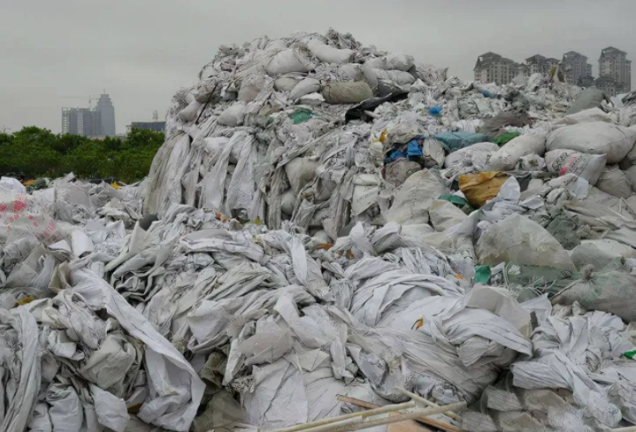
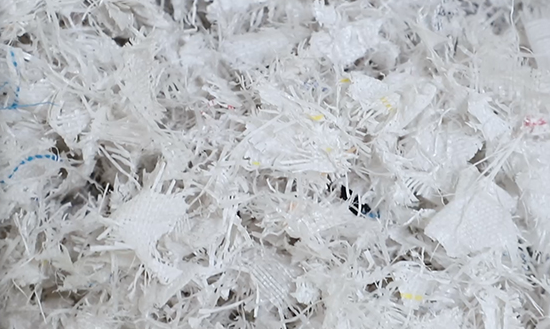
As the CEO of AMIGE, I have seen standalone machines destroy budgets from Mexico to Egypt. Let me show you the exact engineering blueprint our China factory uses to build profitable recycling centers for our B2B wholesale clients.
Why Does Process Engineering Beat Buying Standalone Machines?
Too many recycling entrepreneurs open a machinery catalog and simply point at the biggest High-Capacity Double Single Shaft Shredder for PP Woven Bag Recycling they can afford. They incorrectly assume a massive motor will automatically solve every production problem.
A powerful shredder fed by a poorly designed manual sorting line is just a very expensive way to wait for material. We operate five dedicated production lines at our Taizhou facility specifically to prevent this. We engineer your entire material journey from the loading dock to the final super sack.
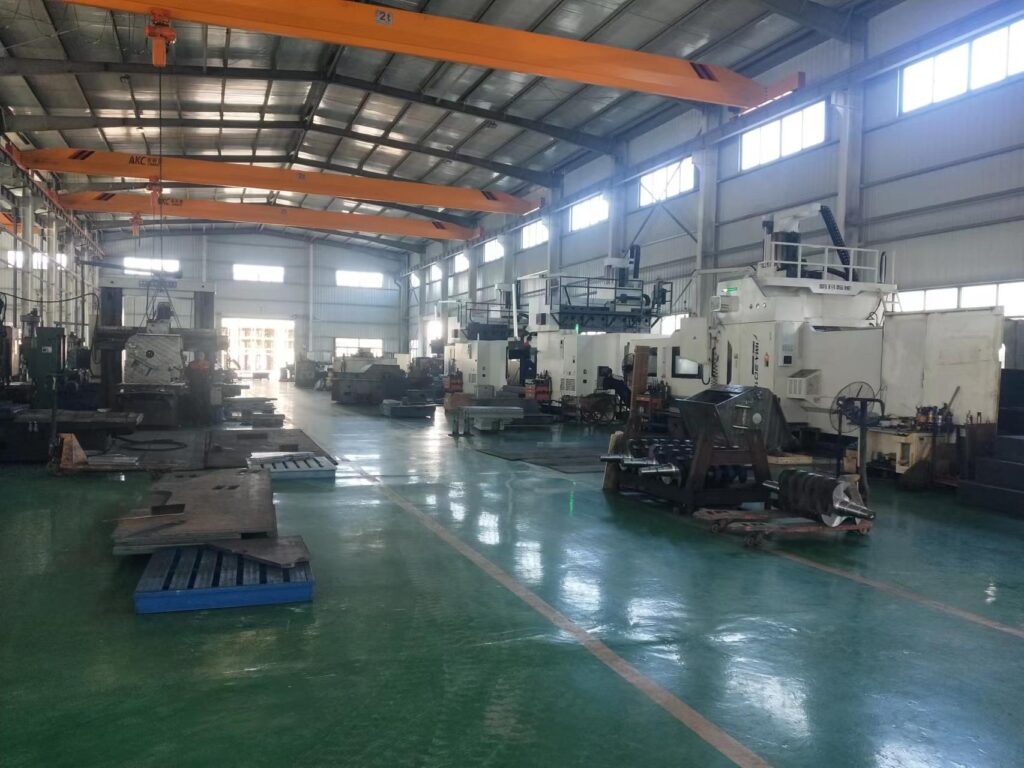
According to recent industrial metrics, nearly 68% of operational capacity loss in recycling plants is caused by mismatched equipment capacities rather than mechanical failure. You need a comprehensive processing system, not just a pile of steel in a warehouse.
How Do You Layout an Intelligent Sorting Conveyor System?
Sorting is the frontline defense of your entire recycling operation. If you get this critical step wrong, your expensive shredding blades will pay the ultimate price when undetected metal or rigid contaminants enter the cutting chamber.
Whether you are processing heavily contaminated agricultural film from Ecuador or thick industrial HDPE pallets from America, contamination is your biggest enemy. You must design a physical layout that gives your optical sorters or manual operators enough space to react.
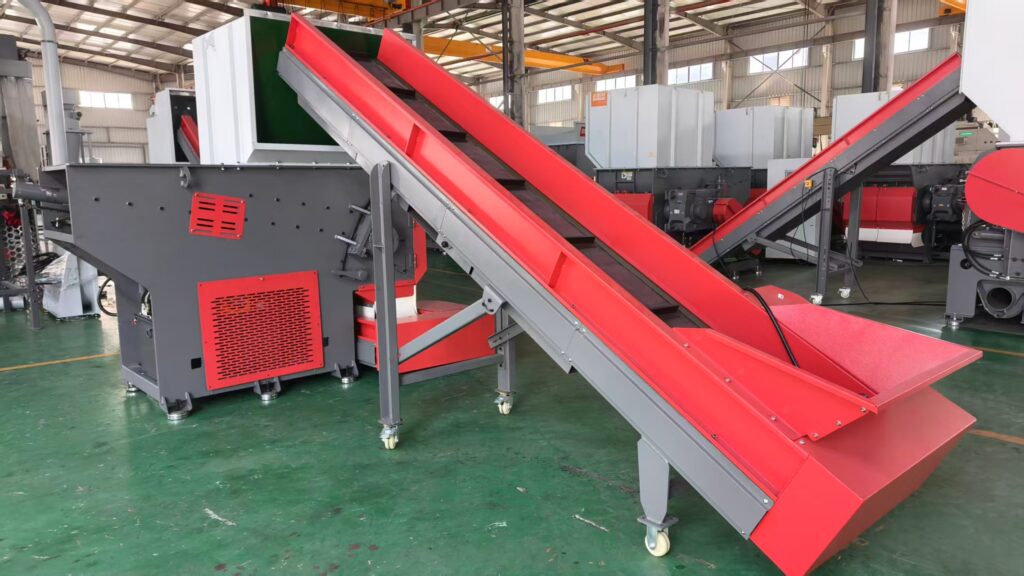
I always recommend a raised sorting platform equipped with variable-speed conveyors. This setup allows your team to easily pull out PVC or incompatible polymers before they enter the highly aggressive primary shredder.
Single-Shaft or Double-Shaft: Which Industrial Plastic Shredder Do You Need?
Your primary shredder is the heavyweight champion of your recycling center. Its only job is to take bulky, tangled waste and beat it into manageable submission. But there is no such thing as a universal shredder.
If you are processing flexible PP woven bags or tough agricultural film, you need a High-Capacity Double Single Shaft Shredder for PP Woven Bag Recycling with a specially designed anti-wrapping rotor. Otherwise, flexible materials will simply hug the spinning shaft and grind production to a halt.
For extremely bulky items like large chemical drums, thick pipes, or automotive plastics, Double Single Shaft Shredder For Jumbo Bag Recycling is the smarter play. It grabs, bites, and rips large volumes without overloading your electrical grid.
Why Is a Secondary Heavy-Duty Plastic Crusher Essential?
A primary shredder makes massive pieces smaller, but it rarely produces the uniform flake required for advanced PE PP Waste Film Crushing, Washing & Drying Recycling Line. That is where the secondary plastic crusher steps in.
Think of the shredder as a heavy axe, and the crusher as a precision scalpel. The crusher uses heavy-duty screens to dictate the exact output size, ensuring your downstream equipment receives perfect, uniform flakes.
We highly recommend this two-stage approach (Shredder + Crusher) for demanding B2B applications. It dramatically reduces the mechanical shock load on the sensitive crusher blades.
How Does PLC Automation Protect Your Investment?
You can buy the most expensive shredders in the world, but if they do not communicate with each other, you just have a very loud room. Centralized PLC control is the intelligent brain of a highly profitable recycling center.
Imagine a highly stubborn block of rigid plastic enters your shredder, causing a massive load spike. A smart PLC detects this anomaly and immediately tells the feeding conveyor to pause.
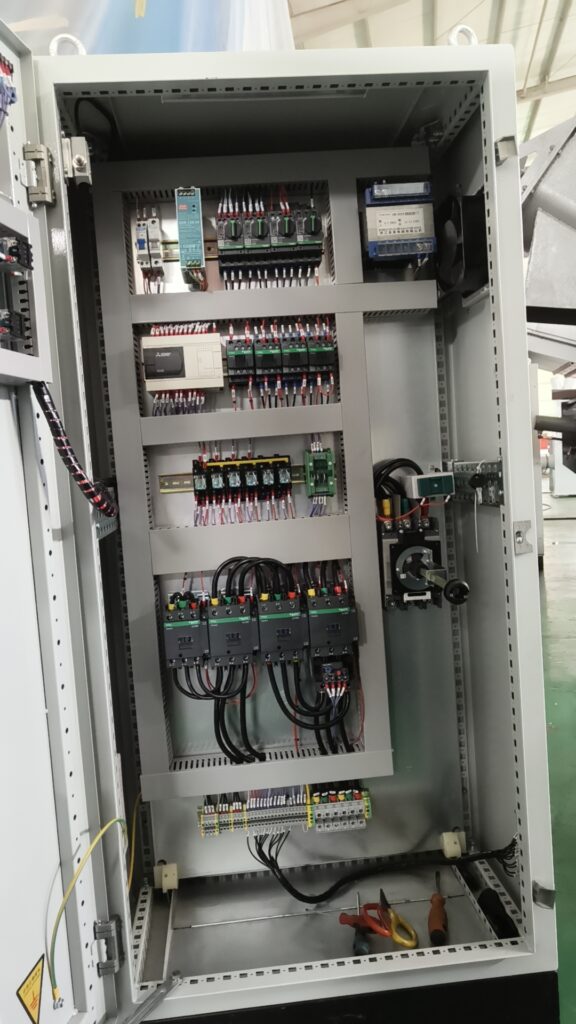
Once the cutting chamber clears and the motor returns to normal amps, the PLC signals the conveyor to resume. This intelligent load management prevents your mechanical system from choking on its own feed, requiring zero human intervention.
Building a highly efficient plastic sorting and shredding center requires strategic alignment, not just massive budgets. You need the perfectly optimized layout, top-quality breakthrough technology, and a direct manufacturing partner who understands the gritty reality of wholesale B2B recycling. If you are ready to stop settling for equipment bottlenecks and want to scale your capacity with customized AMIGE machinery, reach out to our engineering team at info@amgplastech.com today. Let’s design a system that actually works for your business.
#IndustrialShredder #PlasticRecyclingPlant #TurnkeyRecyclingSystem #PlasticCrusher #WasteManagement #AMIGE #RecyclingMachinery #B2BManufacturing #AutomatedSorting #PlasticSizeReduction
