

A plastic recycling plant does not have one reliable standard price. The investment depends on the plastic feedstock, contamination, required final product, hourly capacity, local utilities, automation, installation scope, and how much working capital the business needs before the first sale.
The right way to estimate plastic recycling plant cost is to build the process from input to saleable output. A line that only produces washed flakes has a different machine scope and operating cost from a line that produces filtered pellets.
I’m Jacky, CEO of AMIGE. Before I prepare a recycling line quotation, I ask for material photos or samples, contamination, bale or piece size, target output, capacity, operating hours, utilities, factory dimensions, and the buyer’s local installation conditions. Without those facts, a price is only a guess.
Plastic recycling plant cost at a glance
| Cost group | What it may include | Main cost driver |
|---|---|---|
| Material preparation | Bale opening, sorting, metal removal, shredding, or crushing | Feed size, hardness, contamination, and handling method |
| Washing and separation | Pre-washing, friction washing, float-sink separation, hot washing, rinsing | Cleanliness target and contaminant type |
| Drying | Mechanical dewatering and thermal drying | Required residual moisture and material form |
| Pelletizing | Extrusion, filtration, degassing, cutting, and cooling | Polymer, melt quality, filtration, and output specification |
| Plant integration | Conveyors, silos, controls, platforms, piping, water treatment | Automation and line layout |
| Project delivery | Freight, duties, foundation, wiring, installation, commissioning, training | Destination and supplier scope |
| Working capital | Feedstock, labor, utilities, spares, packaging, and receivables | Ramp-up period and payment cycle |
Why can two recycling plant quotations be completely different?
One quotation may cover a crusher and several tanks. Another may include sorting, shredding, wet grinding, hot washing, water treatment, dewatering, thermal drying, pelletizing, central controls, installation, and spare parts. Comparing only the total price hides the real differences.
Ask every supplier to quote against the same input specification, finished-product requirement, hourly output, operating schedule, utilities, and delivery boundary. A low price is not useful if essential process stages appear later as change orders.
Which equipment does the plant actually need?
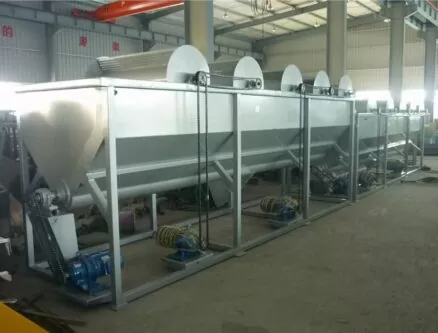
The required process is determined by the waste and the product you intend to sell. Loose rigid scrap may only need sorting, metal protection, crushing, washing, separation, and drying. Baled film may need bale opening, a plastic shredder, aggressive pre-washing, friction washing, squeezing, and thermal drying.
If the market requires pellets rather than washed flakes, add extrusion, melt filtration, degassing, cutting, cooling, and pellet handling. Review the plastic washing line and plastic pelletizer as connected process stages, not isolated machines.
How should you build a realistic recycling plant budget?
Start with the equipment price, then add freight and insurance, import duties, inland transport, foundations, platforms, power distribution, water and drainage, compressed air, permits, wastewater treatment, installation, commissioning, operator training, initial wear parts, and contingency.
Keep capital expenditure separate from operating expenditure. Electricity, water, detergent, labor, knives, screens, bearings, filters, packaging, waste disposal, and unscheduled downtime determine the cost per saleable ton after the plant starts.
What hidden costs are most often missed?
- Yield loss between incoming waste and saleable flakes or pellets.
- Water treatment and disposal of sludge, labels, fines, and rejected polymers.
- Electrical upgrades when installed power exceeds the site’s available supply.
- Factory changes for machine access, drainage, ventilation, and maintenance clearance.
- Wear parts and production loss caused by metal, sand, stones, and inconsistent feeding.
- Inventory and customer payment delays during the commissioning and qualification period.
How can you control cost without underbuying?
Validate supply and buyers before selecting capacity. A smaller line with stable feedstock and reliable sales can produce a better return than a large line that runs intermittently. Compare the planned throughput with the capacity of each crushing and washing stage.
Use a phased layout when demand is uncertain, but reserve space, electrical capacity, and material-flow routes for expansion. Our factory layout guide explains the site information that should be checked before equipment is ordered.
What information is needed for an accurate quotation?
- Polymer type, source, photos, samples, and contamination.
- Current feed form, dimensions, bale density, and moisture.
- Required final product: flakes, regrind, dry flakes, or pellets.
- Target hourly and annual saleable output.
- Operating hours, labor plan, and automation preference.
- Available voltage, frequency, water, drainage, compressed air, and heat source.
- Factory drawing, ceiling height, access doors, and maintenance space.
- Destination, delivery term, installation scope, and required spare-parts package.
Build a supplier-ready recycling plant budget
Send AMIGE your material photos or samples, output specification, capacity, utilities, factory dimensions, and destination. We can map the process, identify missing cost items, and prepare a comparable equipment scope through our recycling project quotation form.
Frequently asked questions
How much does a plastic recycling plant cost?
The cost depends on feedstock, contamination, output product, capacity, automation, utilities, installation, and destination. A process specification is required before a responsible supplier can provide a comparable price.
Which machine is usually the biggest investment?
There is no universal answer. A heavily contaminated washing project may concentrate cost in separation, drying, and water treatment, while a pellet project may concentrate cost in extrusion, filtration, and degassing.
Can I start with a small recycling line?
Yes, if feedstock supply and buyers support the scale. Plan utilities and layout for expansion, and make sure the smaller line can still meet the required product quality.
Does the machinery price include installation?
Not always. Confirm freight, foundations, electrical work, piping, installation labor, commissioning, training, travel, accommodation, and spare parts in writing.
What should I compare between supplier quotations?
Compare the same material, output, capacity, process stages, installed power, water demand, automation, wear parts, warranties, delivery boundary, testing method, and after-sales scope.
Conclusion
A useful plastic recycling plant budget is more than a machinery price. Define the feedstock and saleable product, map every process stage, include site and operating costs, and request comparable supplier scopes. That approach protects both the investment and the future cost per ton.
