

The price of a new shredder can make some recycling investors hesitate. A used shredder often appears to be the perfect shortcut. Lower investment. Faster delivery. Immediate production. However, many buyers discover problems only after the machine arrives. Frequent downtime. Expensive spare parts. Unexpected repairs. What looked like a bargain can quickly become a financial burden. As the CEO of AMIGE, I have seen many recycling companies learn this lesson the hard way.
So, is a used shredder worth buying? The answer is: it depends on the machine’s condition, maintenance history, and future operating costs. A well-maintained used shredder can deliver good value. A poorly maintained one can cost more than a new machine over its lifetime. The purchase price is only the beginning. The real calculation must include maintenance, wear parts, energy consumption, production efficiency, and downtime losses.
Many buyers focus on the machine’s appearance.
I focus on what is hidden beneath the steel frame.
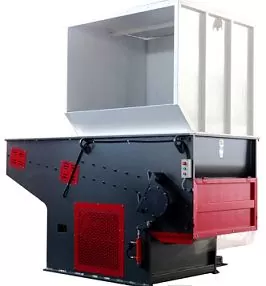
Why Do So Many Recycling Plants Choose Used Shredders?
The biggest reason is obvious.
Budget.
A used shredder may cost 30% to 60% less than a new machine. According to industry estimates published by Global Recycling Equipment Market Report, used equipment transactions have increased significantly over the past five years.
For a startup recycler, saving $20,000 to $100,000 on equipment sounds attractive.
There is another reason.
Delivery time.
A new industrial shredder often requires 30 to 90 days of production. A used machine can sometimes be installed within a week.
This speed can help recyclers seize market opportunities quickly.
However, speed and savings often hide risks.
The question is not what you save today.
The question is what you spend tomorrow.
What Hidden Problems Usually Exist Inside Used Shredders?
Most sellers show buyers what looks good.
The rotor is painted.
The frame is cleaned.
The machine looks impressive.
The problem is that paint never tells the truth.
Critical wear areas include:
- Rotor shafts
- Bearing housings
- Gearboxes
- Hydraulic systems
- Blade holders
- Electrical controls
I once visited a customer who purchased a “nearly new” shredder.
The machine looked excellent.
Three months later, the gearbox failed.
The replacement cost exceeded $12,000.
That single repair erased all initial savings.
According to a technical study from Industrial Machinrey Reliability Institute, gearbox and bearing failures account for over 40% of major shredder repair expenses.
Always inspect the machine under load.
Never trust idle demonstrations. Single Shaft Shredder Machine For LDPE Film
How Much Can Blade Replacement Really Cost?
Blades are the heart of any shredder.
And they are not cheap.
Many used machines have already consumed a large portion of their blade life.
The seller may say:
“The blades are still usable.”
Technically, that may be true.
But “usable” and “profitable” are two different things.
A worn blade creates:
- Higher power consumption
- Lower throughput
- Poor particle consistency
- Increased shaft stress
A full blade replacement on an industrial single-shaft shredder can range from several thousand to tens of thousands of dollars depending on size and material.
Data from Recycling Wear Parts Research Center suggests that blade-related expenses represent one of the largest operating costs throughout a shredder’s lifecycle.
Whenever I evaluate a used machine, blade condition is one of the first things I check.
It tells me how the machine was treated.
It is like looking at a car’s tires.
They reveal more than the dashboard ever will.
Are Bearings and Hydraulic Systems Silent Money Pits?
Absolutely.
And they fail quietly.
Until they don’t.
Bearings often operate for years without visible signs of damage.
Then suddenly:
- Excessive vibration appears
- Rotor alignment shifts
- Production drops
- Heat increases
Hydraulic systems create another challenge.
Leaks may seem minor.
But hydraulic contamination can destroy pumps, valves, and cylinders.
I often tell buyers:
A small oil leak today can become a large invoice tomorrow.
Reports from Heaqvy Equipment Maintenance Benchmark Database indicate that hydraulic failures are among the most expensive emergency repairs in industrial processing equipment.
Ask for maintenance records.
If no records exist, assume higher risk.
Does Energy Consumption Matter More Than Purchase Price?
Many buyers ignore electricity costs.
That is a mistake.
Older shredders often use outdated drive systems.
Their motors consume more energy.
Their cutting geometry is less efficient.
Their control systems lack optimization.
Let’s consider a simple example.
A shredder operating 10 hours daily.
300 days annually.
An extra 15 kW of unnecessary power consumption.
That difference can translate into thousands of dollars per year.
According to Energy Efficiency in Recycling Equyipment Study, energy costs can represent a significant portion of total operating expenses over equipment life.
A cheap machine that consumes excessive electricity is not cheap.
It is merely expensive in slow motion.
How Much Does Downtime Really Cost?
This is the cost most buyers forget.
And it is often the largest.
When a shredder stops, many things stop with it:
- Operators wait
- Material accumulates
- Deliveries are delayed
- Customers become unhappy
The machine may only be idle.
The business is not.
One recycling plant told me their production loss exceeded $5,000 per day during a major shredder repair.
The repair itself cost less than the lost production.
That story is more common than people realize.
According to Manufacturing Downtime Economics Review, unplanned downtime often exceeds direct maintenance expenses in total financial impact.
When evaluating a used shredder, ask:
“What happens if this machine stops next month?”
If the answer scares you, keep investigating.
When Does Buying a Used Shredder Actually Make Sense?
I am not against used equipment.
Far from it.
Some used shredders are excellent investments.
A used shredder can make sense when:
- The machine comes from a reputable manufacturer.
- Spare parts remain available.
- Maintenance records are complete.
- The machine passes load testing.
- Wear components are inspected professionally.
- The seller provides limited warranty support.
In these cases, buyers can achieve strong ROI while reducing initial capital expenditure.
Many successful recycling companies started with carefully selected used equipment.
The key word is carefully.
Not cheaply.
What Checklist Should Buyers Follow Before Purchasing?
Whenever my team evaluates a used shredder, we review several critical points.
Mechanical Inspection
- Rotor wear condition
- Shaft straightness
- Bearing clearance
- Gearbox noise
- Blade holder integrity
Electrical Inspection
- PLC functionality
- Motor insulation
- Control panel condition
- Emergency stop systems
Hydraulic Inspection
- Cylinder performance
- Oil contamination
- Pump pressure stability
- Leakage points
Operational Inspection
- Full-load test
- Throughput verification
- Power consumption monitoring
- Vibration analysis
This process takes time.
But it costs far less than unexpected repairs.
A few hours of inspection can save years of frustration.
Should You Buy New or Used?
The answer depends on your business objectives.
If cash flow is limited and a high-quality used machine is available, buying used can be a smart move.
If long-term reliability, warranty support, energy efficiency, and maximum uptime are priorities, a new shredder often delivers better lifetime value.
At AMIGE, I frequently tell customers one simple truth:
The cheapest machine is rarely the least expensive machine.
Price is what you pay.
Ownership cost is what you live with.
Conclusion
A used shredder can be a profitable investment, but only when hidden maintenance costs are carefully evaluated. Focus on wear parts, energy consumption, repair history, and downtime risk. The smartest buyers do not purchase machines based on price alone—they purchase based on lifetime value.
