
The problem shows up quietly.
Your recycling line runs.
But throughput stalls.
Energy costs creep up.
Material wraps.
Knives wear too fast.
I have seen this too many times.
Factories buy a shredder based on price, not process.
The pain arrives six months later.
Downtime.
Complaints.
Lost margins.
That is why this question matters more than most people think.
In short: single shaft shredders favor controlled, uniform output and downstream integration, while double shaft shredders favor brute-force, high-torque pre-shredding. The right choice depends on material type, target size, and how disciplined your recycling line really is.
I have installed both in real plants.
Across plastics, RDF, and industrial waste.
Each has a place.
Each has limits.
Stay with me.
I will tell you where people usually get it wrong.
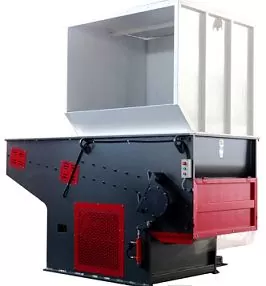
What Is a Single Shaft Shredder Really Good At?
Single shaft shredders are misunderstood.
They look simple.
One rotor.
One pusher.
One screen.
But simplicity is their strength.
From my experience, a single shaft shredder is a precision machine.
It cuts.
It controls.
It repeats.
The hydraulic ram pushes material steadily.
The rotor speed stays relatively low.
The screen defines output size.
This is why single shaft machines dominate plastic recycling lines globally, supported by market adoption.
You want flakes at 40 mm?
You get 40 mm.
Not 20.
Not 80.
That consistency matters more than people admit. Single Shaft Shredder Machine
Where Does a Single Shaft Shredder Struggle?
Let me be honest.
Single shaft shredders are not fighters.
If you feed bulky, hollow, unpredictable waste, they complain.
Large pipes.
Big lumps.
Mixed industrial scrap.
The pusher can stall.
The rotor needs time.
Torque has limits.
Energy consumption also rises if you force them into jobs meant for rough shredding.
In short, single shaft machines hate surprises.
They prefer discipline.
Sorted feedstock.
Consistent density.
If your upstream process is messy, do not blame the shredder. Plastic shredder for huge pipe recycling
What Makes Double Shaft Shredders So Popular?
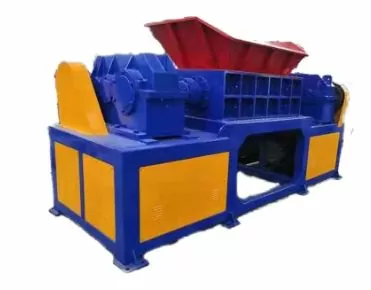
Double shaft shredders are workhorses.
Two rotors.
High torque.
Low speed.
They grab material and tear it apart.
No screens.
No pushers.
No patience required.
In many waste-to-energy and MSW projects, double shaft machines are chosen first.
From my point of view, they shine in one role:
Primary shredding.
They do not care about shape.
Or size.
Or ugliness.
If it fits, it shreds.
The Hidden Weakness of Double Shaft Shredders
Here comes the part sales brochures avoid.
Double shaft shredders do not control output size.
They tear.
They do not cut.
Your output can be 50 mm.
Or 200 mm.
In the same batch.
Downstream machines feel this immediately.
Granulators choke.
Conveyors overload.
I have seen lines where customers added a second machine later, increasing CAPEX by 20–30%.
Double shaft machines are powerful.
But they are blunt tools.
How Material Type Changes Everything?
This is where experience beats catalogs.
Soft plastics?
Films?
Woven bags?
Single shaft wins.
No debate.
Rigid plastics like HDPE drums or crates?
Single shaft still works.
But rotor design matters.
Bulky waste?
Contaminated material?
Municipal solid waste?
Double shaft first.
Always.
Material density, tensile strength, and contamination rates directly influence shredder choice
Choosing wrong here costs money every day. Double Shaft Shredder For Chemical Drum
Throughput vs Control: Which One Do You Value?
Executives love throughput numbers.
I get it.
Double shaft machines post big tons-per-hour figures.
They look impressive.
But controlled output saves money later.
Less wear on granulators.
Less dust.
Less fines.
Single shaft machines trade raw speed for stability.
Ask yourself one question:
Do you sell output by weight, or by quality?
That answer decides a lot.
Energy Consumption: The Quiet Cost Driver
Energy does not scream.
It leaks.
Double shaft machines consume high torque in bursts.
Single shaft machines consume steady power.
In plastic recycling lines, total kWh per ton often favors single shaft systems.
But in heavy waste, single shaft machines lose that advantage.
There is no universal winner.
Only context.
Maintenance Reality on the Factory Floor
Here is my old-school view.
Simple machines survive longer.
Double shaft shredders have fewer moving parts.
No hydraulic pusher.
No screen.
Knife replacement is heavier work, but less frequent.
Single shaft machines need sharper knives.
More discipline.
Better operators.
Maintenance cost comparisons often ignore labor skill levels.
If your team is experienced, single shaft is fine.
If not, double shaft forgives more mistakes. Double Shaft Shredder 800mm
Can You Combine Both in One Line?
Yes.
And often you should.
Many modern recycling lines use a double shaft shredder as a pre-shredder, followed by a single shaft machine for sizing.
This hybrid approach is becoming standard in complex recycling systems.
It costs more upfront.
It saves more later.
I have seen this configuration turn failing plants profitable within a year.
How I Advise My Clients at Amige?
I start backward.
What is the final product size?
What is the contamination level?
What is the operator skill?
Then I choose the machine.
Not the other way around.
Machines do not solve process problems.
Process thinking does.
That philosophy has kept our installations running quietly for years.
Quiet factories make money.
Conclusion
Single shaft or double shaft is not a brand question.
It is a process question.
Choose control, or choose brute force.
Or be smart and combine both.
The right shredder is the one that respects your material, not your budget spreadsheet.