
Plastic waste is everywhere.
Landfills are full.
Oceans are under pressure.
At the same time, many investors hesitate.
They ask me the same question again and again.
“Is plastic recycling really profitable, or just good for marketing?”
I understand the doubt.
Recycling looks heavy.
Machines are expensive.
Margins look thin on paper.
I have been in this industry for years.
I build plastic shredders and crushers for a living.
I see real numbers, not slogans.
This article is my honest answer.
Yes. The plastic recycling business can be profitable, scalable, and sustainable—if you understand the materials, control your costs, and choose the right equipment and business model. I have seen small plants survive. I have seen smart operators grow fast. Profit is not automatic, but it is absolutely achievable.
Many people fail because they copy others blindly.
They chase volume, not efficiency.
They underestimate operations.
That is where the truth hides.
Why Do People Doubt the Profitability of Plastic Recycling?
Let us start with reality.
Plastic recycling is not a get-rich-quick scheme.
Margins depend on raw material prices.
Labor costs fluctuate.
Energy costs never stay still.
According to global recycling margin studies, profit margins range widely by region and material type.
Some operators struggle.
Others quietly make solid money.
The problem is not the industry.
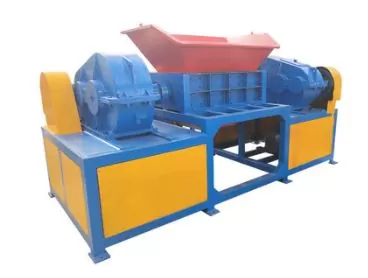
The problem is planning. Double Shaft Shredder For Metal Drum
Where Does the Money Actually Come From?
Profit does not come from “recycling.”
It comes from processing value.
You buy plastic waste cheap.
You process it properly.
You sell it clean, consistent, and usable.
Common revenue streams include:
- Washed PET flakes
- HDPE regrind
- PP crushed material
- Industrial scrap recycling contracts
Market prices vary by grade and cleanliness (source: recycledplasticprices.com/index-trends).
Dirty plastic has low value.
Well-processed plastic sells.
This is why machines matter. Two shaft shredder for 200L drum recycling in Qatar
Does Scale Matter in Recycling Profitability?
Yes.
But not in the way most people think.
Big factories have volume.
Small factories have flexibility.
A small recycling line with one shredder, one crusher, and basic washing can already be profitable if raw material supply is stable.
I have seen this many times.
According to small-scale recycling feasibility studies, break-even can be reached within 12–24 months.
Scale helps margins.
Efficiency protects cash flow. Plastic Crusher for Industrial Films
What Plastic Materials Are Most Profitable?
Not all plastics are equal.
This is a hard lesson.
PET bottles are popular.
But competition is fierce.
HDPE and PP often offer better margins.
Industrial scrap is even better.
Data from polymer recovery markets shows that consistent industrial plastic waste often delivers higher profit than post-consumer waste.
I always tell clients:
Start with what you can source consistently.
Not what looks good on paper.
How Important Is Equipment Selection?
This is my home field.
So I will be direct.
Equipment can make or break your profit.
Cheap machines cost more in the long run.
Poor blade design increases downtime.
Unstable output ruins material quality.
A good plastic shredder reduces labor.
A reliable plastic crusher ensures uniform size.
That directly affects selling price.
According to recycling equipment lifecycle cost analysis, higher-quality machines reduce total cost per ton by up to 30%.
I have seen operators replace cheap machines twice.
They could have bought one good one. Plastic Crusher For Plastic Frame Crushing
What Are the Main Costs in a Recycling Business?
Let us talk numbers.
No romance.
Major costs include:
- Raw material purchase
- Labor
- Electricity
- Equipment depreciation
- Maintenance
Energy and labor are usually the biggest expenses.
This is why automation matters.
This is why stable machines matter.
You do not need luxury.
You need reliability. PE PP Film Recycling Washing Line
Is Government Policy a Hidden Profit Lever?
Absolutely.
And many people ignore it.
Subsidies.
Tax incentives.
Extended producer responsibility (EPR).
In many regions, recycling businesses benefit from policy support.
But policies change.
Do not build a business that survives only on subsidies.
Treat policy as a bonus.
Not as your foundation.
Can Recycling Be Profitable Without Washing Lines?
Yes.
Sometimes more profitable.
Not every market needs washed flakes.
Some buyers want crushed material only.
Skipping washing reduces:
- Water usage
- Energy cost
- Capital investment
This model works well for industrial scrap recycling.
I have seen clean profits here.
Again, know your buyer first. Plastic Washing Line For Rigid Material Recycling
How Long Does It Take to Make Money?
This is the most common question I get.
Realistically:
- 6–12 months to stabilize operations
- 12–24 months to recover investment
This aligns with industry ROI data.
Fast money comes from good planning.
Slow money comes from fixing mistakes.
Experience shortens the learning curve.
That is why I share mine. Plastic Granulator Machine
Is the Market Getting Better or Worse?
Despite the noise, demand is growing.
Brands need recycled content.
Regulations push circular economy.
Virgin plastic prices fluctuate.
Global recycled plastic demand growth remains positive.
This is not a declining industry.
It is maturing.
Margins reward professionals now.
Not amateurs.
What Mistakes Kill Profit Fast?
I have seen them too often.
Buying machines first.
Finding material later.
Underestimating maintenance.
Ignoring blade quality.
Chasing low prices instead of stable buyers.
These mistakes cost real money.
And time never comes back.
Learn from others.
Or pay tuition yourself. Plastic Pelletizer For PP Material Recycling
My Personal View as a Recycling Equipment Manufacturer
I am biased.
But I am honest.
Recycling is not charity.
It is manufacturing.
Treat it like a factory.
Control inputs.
Control outputs.
When clients succeed, they reorder machines.
That is the best proof.
I prefer long-term partners.
Not one-time buyers.
Conclusion
Plastic recycling is profitable for operators who respect fundamentals.
Material selection, equipment quality, and operational discipline decide everything.
This business rewards patience, not shortcuts.