

Every plastic shredder is designed to improve productivity, reduce waste, and increase recycling efficiency. Yet behind every high-performance machine is a responsibility that cannot be ignored—operator safety. I have visited many recycling plants over the years, and I have learned one important lesson. Most accidents are not caused by machine failure. They are caused by unsafe operating habits, inadequate training, or skipped inspection procedures. A few minutes saved by ignoring safety rules can easily become weeks of downtime—or much worse.
Safe shredder operation begins long before the start button is pressed. Proper operator training, routine equipment inspections, personal protective equipment (PPE), lockout/tagout procedures, emergency stop awareness, and preventive maintenance all work together to reduce risks. At AMIGE, we believe that the safest recycling plant is also the most productive one because reliable safety practices create reliable production.
A shredder is incredibly powerful.
That power deserves respect.
The goal is simple.
Every operator should go home safely after every shift.
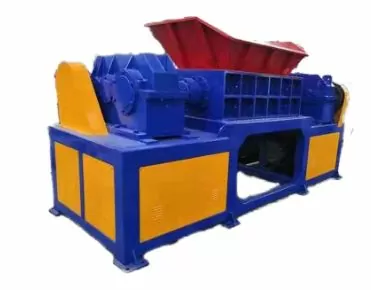
Why Is Safety So Important in Plastic Shredding Operations?
Plastic shredders process tough materials using high-torque rotating components.
That combination creates enormous mechanical force.
Without proper procedures, operators may face risks such as:
- Rotating blades
- Flying debris
- Dust exposure
- Noise hazards
- Electrical risks
- Hydraulic pressure
- Unexpected machine movement
According to the Global Industrial Safety Research Center, human error remains one of the leading causes of machinery-related accidents in manufacturing and recycling facilities.
Machines do exactly what they are designed to do.
People must ensure they operate them correctly. Two Shaft Shredder For Chemical Drum
What Personal Protective Equipment (PPE) Should Every Operator Wear?
The discussion always starts here.
Before touching the machine.
Operators should wear:
- Safety helmets
- Safety glasses
- Cut-resistant gloves
- Hearing protection
- Steel-toe safety shoes
- High-visibility work clothing
In dusty environments, suitable respiratory protection should also be considered.
The Industrial Workplace Protection Institute recommends selecting PPE based on specific workplace hazards and local safety regulations.
Good PPE cannot eliminate every risk.
But it significantly reduces the consequences of unexpected incidents.
Why Is Pre-Operation Inspection Essential?
Many accidents can be prevented before production even begins.
I encourage operators to complete a short inspection before every shift.
Check the following:
- Blade condition
- Rotor movement
- Hydraulic system
- Lubrication points
- Electrical connections
- Emergency stop buttons
- Safety guards
A five-minute inspection often prevents hours of downtime.
Or something far more serious.
The Industrial Equipment Inspection Association emphasizes routine inspections as one of the most effective preventive safety measures.
The machine usually tells you if something is wrong.
You simply have to look.
How Important Are Safety Guards and Interlock Systems?
Extremely important.
Safety guards are not decorations.
They are engineered protection systems.
Operators should never:
- Remove protective covers
- Disable safety switches
- Bypass interlocks
- Operate machines with damaged guards
Modern shredders often include:
- Safety interlocks
- Door sensors
- Automatic shutdown systems
- Emergency stop circuits
These features exist because accidents happen quickly.
Protection must react even faster.
What Is the Correct Way to Feed Materials?
Improper feeding remains one of the most common operational mistakes.
Operators should:
- Feed materials evenly
- Avoid overloading
- Remove large metal objects
- Keep hands away from the feed opening
- Use conveyors whenever possible
Never attempt to push material into the machine manually while it is operating.
The Advanced Recycling Operations Institute identifies improper feeding practices as a common cause of equipment damage and workplace injuries.
Machines have enormous pulling force.
Human hands should never compete.
Why Should Lockout/Tagout Procedures Never Be Ignored?
This topic received strong emphasis during many safety seminars I have attended.
Before maintenance begins:
- Shut down the machine.
- Disconnect electrical power.
- Release stored hydraulic pressure.
- Apply lockout devices.
- Attach warning tags.
- Verify zero energy before work begins.
Lockout/tagout procedures prevent accidental machine startup during maintenance.
The Industrial Energy Isolation Council recognizes proper energy isolation as one of the most important industrial safety practices.
Turning off the machine is not enough.
Ensuring it cannot restart is what matters.
How Can Dust and Noise Affect Operator Safety?
Some hazards are easy to see.
Others are not.
Dust may contribute to:
- Reduced visibility
- Respiratory irritation
- Material contamination
Noise may contribute to:
- Hearing damage
- Communication difficulties
- Reduced concentration
Modern recycling plants increasingly utilize:
- Dust extraction systems
- Noise reduction enclosures
- Low-noise rotor designs
- Air filtration equipment
According to the Industrial Enviromental Health Laboratory, improving workplace conditions enhances both safety and productivity.
A cleaner workplace is usually a safer workplace.
Why Is Operator Training Just as Important as Machine Quality?
Even the best shredder cannot compensate for poor training.
Every operator should understand:
- Machine operating principles
- Emergency procedures
- Material limitations
- Daily inspections
- Maintenance basics
- Hazard identification
Training should not occur only once.
Refresher training helps reinforce safe habits.
The Global Manufacturing Skills Institute reporters that continuous training programs significantly improve operational consistency and reduce workplace incidents.
Knowledge remains the most valuable safety equipment available.
What Should Operators Do During an Emergency?
Preparation matters.
Every operator should know:
Emergency Stop Locations
Never hesitate to use them.
Fire Response Procedures
Know the location of extinguishers.
First Aid Equipment
Ensure easy access.
Reporting Procedures
Every incident should be documented.
Quick response minimizes consequences.
Confusion increases them.
Planning ahead saves valuable time.
What Daily Safety Checklist Do I Recommend?
At AMIGE, I encourage operators to follow a simple daily routine:
- Wear appropriate PPE.
- Inspect the machine.
- Verify all safety guards.
- Test emergency stop buttons.
- Check lubrication and hydraulic systems.
- Remove metal contaminants from materials.
- Keep the work area clean.
- Follow lockout/tagout procedures before maintenance.
- Report unusual machine behavior immediately.
- Never bypass safety devices.
Simple habits build strong safety cultures.
Why Does Safety Improve Productivity?
Some people believe safety slows production.
I disagree.
Safe factories typically experience:
- Less downtime
- Better equipment reliability
- Lower maintenance costs
- Higher employee confidence
- More consistent production
The safest plants are often the most efficient plants.
Because disciplined operations create predictable results.
Safety is not a cost.
It is an investment.
One that pays dividends every day.
Conclusion
Safe shredder operation depends on proper training, routine inspections, PPE, lockout/tagout procedures, and disciplined operating habits. By following these essential safety practices, operators protect themselves, extend equipment life, and improve production efficiency. At AMIGE, we believe every successful recycling operation begins with one simple principle—safety always comes first.
#PlasticShredder #ShredderSafety #IndustrialSafety #MachineSafety #PlasticRecycling
#RecyclingEquipment #LockoutTagout #WorkplaceSafety #PlasticMachinery #AMIGE
