

A plastic film granulator converts prepared LDPE, LLDPE, HDPE, or PP film waste into reusable pellets. The line normally combines controlled feeding, melting, mixing, degassing, filtration, extrusion, pellet cutting, cooling, and collection.
For film recycling, the feed system is as important as the extruder. Loose film has low bulk density and can bridge, wrap, or feed unevenly. A correct machine must stabilize the material before it enters the screw and barrel.
I’m Jacky, CEO of AMIGE. When a buyer asks for a film granulator machine, I first confirm whether the requested output is clean flakes, densified agglomerate, or finished pellets. These are different processes and should not be quoted as the same machine.
What does “plastic film granulator” mean?
In some markets, “granulator” means a knife crusher that reduces film into flakes. In pelletizing projects, it usually means an extrusion system that turns washed and dried film into granules or pellets. Buyers should define the desired output before comparing suppliers.
| Required output | Typical equipment | Next process |
|---|---|---|
| Film flakes | Shredder or crusher with washing and drying | Agglomeration or extrusion |
| Densified film | Agglomerator or cutter-compactor | Direct use or extruder feeding |
| Uniform pellets | Film pelletizing line with filtration and cutter | Compounding or product manufacturing |
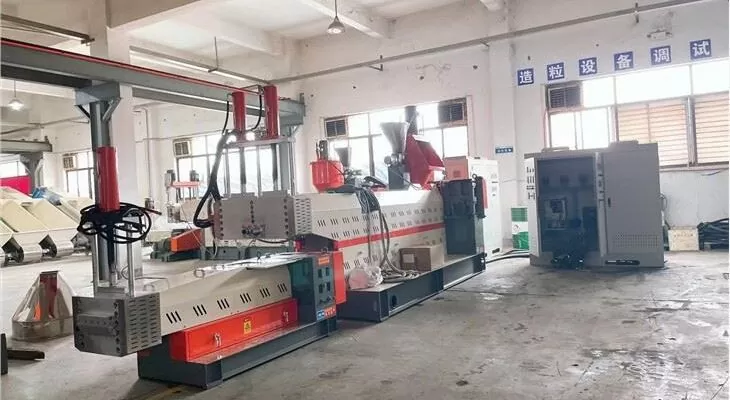
How does a plastic film pelletizing line work?
| Stage | Function | Buyer check |
|---|---|---|
| Preparation | Film is sorted, size-reduced, washed, and dried as required. | Polymer mix, contamination, moisture |
| Feeding | A force feeder or cutter-compactor densifies and meters light film. | Bulk density and feeding stability |
| Extrusion | The screw melts and homogenizes the polymer. | Screw design, temperature control, motor load |
| Degassing | Vents remove trapped air, moisture, and selected volatiles. | Vent design and vacuum requirement |
| Filtration | A screen changer removes solid contamination from the melt. | Contamination level and change method |
| Pelletizing | Strand, water-ring, or another cutter forms pellets. | Pellet shape, polymer behavior, cooling |
| Collection | Pellets are dried, conveyed, and stored. | Final moisture and packaging method |
Which film materials can be processed?
Common feedstocks include post-industrial PE trim, stretch film, shrink film, shopping bags, agricultural film, woven bags, and selected PP film. A single line should not be assumed to process every film equally. Printed layers, adhesives, paper, sand, aluminum, mixed polymers, and high moisture can change the process and pellet quality.
Representative samples matter. We check polymer, melt behavior, contamination, printing, moisture, bulk density, and the intended use of the pellets before fixing the configuration.
Force feeder or cutter-compactor: which is better?
A force feeder meters pre-sized, relatively consistent film into the extruder. A cutter-compactor cuts, heats, mixes, and densifies light film before feeding. The correct choice depends on film form, moisture, printing, required automation, and how consistently upstream equipment supplies material.
For very light or fluffy feed, a stable densification stage can reduce surging and improve output consistency. It does not eliminate the need for sorting, washing, drying, or melt filtration.
What determines output and pellet quality?
- Polymer type, melt flow, and degree of degradation.
- Incoming moisture, contamination, printing, and mixed materials.
- Feed bulk density and consistency.
- Screw diameter, L/D ratio, design, speed, and drive load.
- Temperature control, degassing, and vacuum performance.
- Filter area, screen fineness, and screen-change frequency.
- Pelletizing method, cooling water, and pellet drying.
- Accepted output quality rather than only nominal kilograms per hour.
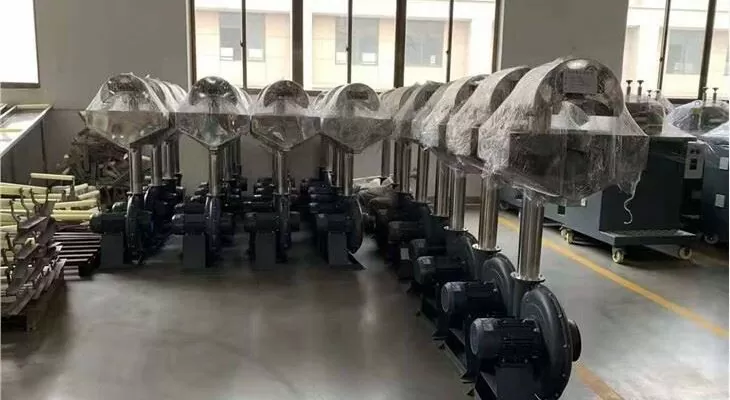
How should buyers compare plastic granulator machines?
Compare machines using the same feedstock and acceptance criteria. Ask suppliers to state input moisture, contamination, pellet quality, screen specification, energy-measurement boundary, operating labor, wear parts, and included auxiliaries. A quoted capacity without those conditions is not directly comparable.
Check the complete scope: conveyor or feeder, cutter-compactor, extruder stages, vacuum, filtration, pelletizer, cooling, dryer, silo, controls, spare parts, installation requirements, and commissioning support. Review the plastic recycling granulator machine and the PE/PP pelletizer configuration as starting points.
What information is needed for a quotation?
- Film type, polymer, source, photos, and representative samples.
- Printed or unprinted material and known contamination.
- Washed or unwashed condition, moisture, and bulk density.
- Target accepted output and operating hours.
- Pellet application, filtration requirement, and pelletizing preference.
- Available space, voltage, utilities, automation, and destination.
Request a film granulator configuration
Send AMIGE your film photos or samples, moisture, contamination, target pellets, capacity, and factory conditions. We can map the preparation, feeding, extrusion, filtration, pelletizing, and auxiliary scope through our plastic film granulator quotation form.
Frequently asked questions
Is a film granulator the same as a film crusher?
Not always. A crusher produces flakes, while a pelletizing granulator melts and filters prepared film before cutting the melt into pellets. Confirm the required output.
Can a plastic film granulator process dirty agricultural film?
Only after suitable sorting, washing, and drying. Sand, soil, moisture, and mixed polymers can cause wear, unstable extrusion, frequent filter changes, and poor pellets.
Why does film need a force feeder or cutter-compactor?
Loose film has low bulk density and may feed unevenly. The feeder densifies and meters it so the extruder receives a more stable load.
Which pelletizing method should I choose?
The choice depends on polymer behavior, output, contamination, pellet specification, water system, and operator preference. Test the actual material before final selection.
What affects the price of a plastic film granulator?
Capacity, feeder, extruder stages, screw design, degassing, filtration, cutter, automation, auxiliaries, wear protection, spare parts, and commissioning scope affect price.
Conclusion
A plastic film granulator is a process system, not just an extruder. Define the material, preparation, feeding, pellet specification, accepted output, and complete line scope before comparing offers.
