

Plastic processing machines convert resin or plastic waste into usable feedstock, intermediate material or finished products. The category includes recycling equipment such as shredders and washing lines, as well as manufacturing equipment such as extruders, injection-molding machines and blow-molding machines.
The correct machine depends on the process stage. A shredder prepares bulky waste; a washing line removes contamination; a pelletizer produces recycled pellets; molding equipment turns qualified material into a finished part.
I’m Jacky, CEO of AMIGE. Buyers sometimes ask for one “plastic processing machine” when the project actually needs a connected process. I begin with the input material, finished product, contamination, capacity and quality specification, then define each required step.
What stages does plastic processing include?
| Stage | Purpose | Typical equipment |
|---|---|---|
| Preprocessing | Sort, feed and reduce the size of plastic waste | Conveyors, bale breakers, metal separators, shredders and crushers. |
| Cleaning and separation | Remove labels, dirt, liquids and incompatible materials | Pre-washers, friction washers, float-sink tanks and hot-wash systems. |
| Dewatering and drying | Control moisture before storage or extrusion | Centrifugal dryers, squeezers and thermal dryers. |
| Material preparation | Melt, filter, compound and cut recycled material | Extruders, filtration, degassing and pelletizers. |
| Primary forming | Shape polymer into products | Injection molding, blow molding, film blowing, sheet and profile extrusion. |
| Post-processing | Finish, join, print, trim, inspect or recover production scrap | Cutters, routers, welders, printers, robots, grinders and inspection systems. |
Plastic shredder machines
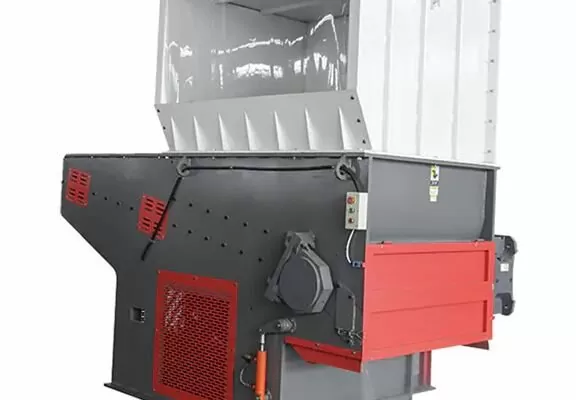
A shredder uses low-speed, high-torque cutting to reduce bulky, dense, baled or difficult material. Single-shaft machines can produce screened output; double-shaft machines are often used for primary reduction and mixed or bulky feed.
Feed opening, rotor or shaft design, cutter geometry, ram, screen, drive and contamination protection must match the waste. Review AMIGE plastic shredder machines by application rather than motor power alone.
Plastic crushers and granulators
A crusher or granulator uses rotating knives, fixed knives and a screen to make controlled flakes or regrind. Clean factory scrap may return directly to production; post-consumer material normally needs washing and separation.
A smaller screen is not automatically better. It can increase recirculation, heat, power demand, wear and fines. Match the plastic crusher to the material and downstream process.
Plastic washing and separation equipment
Post-consumer plastic can contain labels, glue, sand, oil, food, liquid, metal and incompatible polymers. A washing line may combine sorting, pre-washing, friction washing, float-sink separation, hot washing, rinsing, dewatering and drying.
PET bottles, HDPE containers and LDPE film require different configurations. Water quality, wastewater treatment, moisture target and saleable output specification should be defined before selecting a plastic washing line.
Extrusion and pelletizing machines
A recycling extruder melts prepared plastic. Filtration removes solid contamination, degassing handles moisture or volatiles, and a cutting system produces pellets. Strand, water-ring and underwater pelletizing suit different polymers and output requirements.
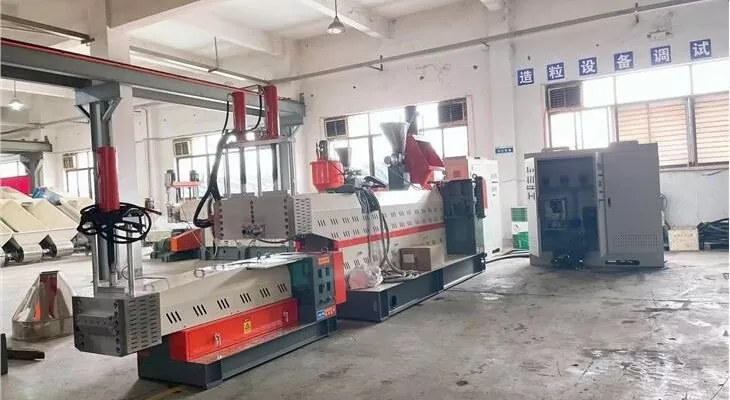
A plastic pelletizer cannot correct uncontrolled mixed polymers or poor washing. Input quality and a written pellet specification are essential.
Injection, blow molding and product extrusion
Injection molding injects molten polymer into a closed mold. Blow molding forms hollow products such as bottles and tanks. Product extrusion creates continuous film, pipe, sheet and profile. These are manufacturing machines, not substitutes for recycling preparation.
Recycled material must satisfy the forming process for melt flow, moisture, contamination, color, mechanical performance and feeding consistency. The finished-product machine does not remove those upstream risks.
What are plastics preprocessing and post-processing machines?
Preprocessing machines prepare material before the main conversion step. They include sorting, metal removal, shredding, granulation, washing, drying, blending and dosing equipment.
Post-processing machines handle operations after forming: trimming, cutting, drilling, printing, welding, cooling, inspection, packing and recovery of edge trim, runners or rejected parts. Search terms sometimes mix these two categories, so suppliers should define the exact stage in their quotation.
How does a plastic recycling line connect?
- Receive and inspect representative waste.
- Sort by polymer, color and contamination.
- Remove metal and unsafe foreign material.
- Shred or crush to the required process size.
- Wash and separate where contamination requires it.
- Dewater and dry to the next-step specification.
- Sell flakes or extrude, filter and pelletize them.
- Test, blend, pack and trace the finished material.
The slowest or least stable step controls real line capacity. Compare our plastic recycling line capacity guide before selecting nameplate output.
How should buyers choose plastic processing equipment?
- Define the input polymer, dimensions, bulk density and contamination.
- Define the finished output and measurable acceptance limits.
- Calculate required kg/h from secured supply and buyer demand.
- Confirm voltage, power, water, drainage, compressed air and fuel.
- Plan feeding, discharge, storage, cleaning and maintenance access.
- Compare wear parts, safety interlocks, controls and spare-parts support.
- Run a representative material test and document the test conditions.
- Clarify installation, training, warranty, exclusions and acceptance testing.
Planning a plastic processing or recycling line? Send AMIGE material photos, maximum size, contamination, target output, kg/h, operating hours, voltage and factory dimensions. We will map the required steps before recommending equipment.
Frequently asked questions
What are the main types of plastic processing machines?
Main groups include recycling preparation, washing and drying, extrusion and pelletizing, molding or forming, and auxiliary or post-processing equipment.
What machines are needed to recycle plastic?
The answer depends on the waste and saleable output. Common steps include sorting, size reduction, washing, separation, drying, pelletizing and packaging.
What is the difference between preprocessing and post-processing?
Preprocessing prepares material before the main conversion step. Post-processing finishes, inspects or handles products and recovers scrap after forming.
Can one machine process every type of plastic?
No. Rigid parts, films, bottles, pipes, woven bags and mixed post-consumer waste behave differently and require different feeding, cutting, washing and drying configurations.
What information is needed for a machinery quotation?
Provide material photos or samples, dimensions, contamination, capacity, operating hours, target output, utilities, factory space and required automation.
Conclusion
Plastic processing machines cover the full path from waste preparation to finished-product manufacturing. Start with the input and output specification, identify every required process step, and then select machines that operate as one balanced system.
