
I’ve spent decades working in plastic recycling and machinery manufacturing. I, as CEO of Amige Machinery, have seen countless plants rise — and many projects fail — because people did not fully appreciate what “plastic processing machines” really are. Let me explain.
In short: plastic processing machines are the tools and systems that take raw plastics — or plastic waste — and transform them into usable materials or final products.
I wrote this post to give a clear view of what these machines are, how they work, and why they matter.
Plastic seems simple. But turning scrap or pellets into useful products requires careful steps. Mist on one step and the output becomes junk. Over the years, I’ve learned the hard way that proper equipment matters.
What does “plastic processing” cover?
Plastic processing isn’t a single action. It is a chain of processes.
At the beginning: raw plastic resins, recycled pellets, or waste plastic.
At the end: finished plastic products — containers, pipes, films, housings — or re-usable plastic pellets/compounds for further manufacturing.
In between: a set of machines — shredders, crushers, extruders, molding machines, pelletizers, washing and drying lines, and more — each responsible for a step.
When I refer to “plastic processing machines,” I mean this entire ecosystem: from waste-handling to final product output.
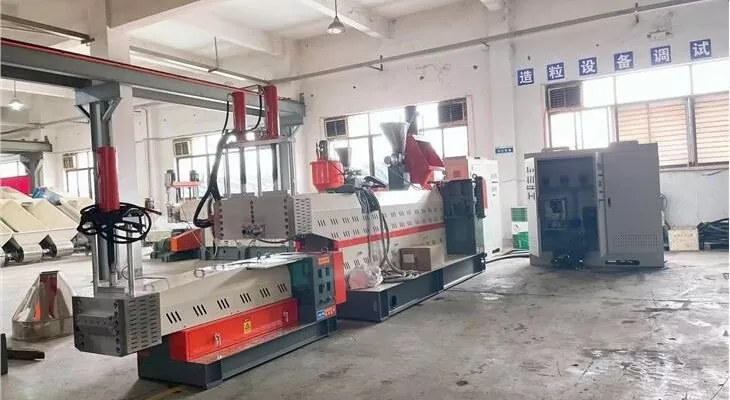
Plastic manufacturing and recycling are two sides of the same coin. Good processing machines make both possible. Film Pelletizing Line
Why are they so important?
- Efficiency and consistency. A well-designed machine ensures consistent output — same pellet size, same melt quality, same product dimensions.
- Cost savings. By recycling scrap or post-consumer plastic, companies can cut raw material cost substantially.
- Flexibility. Different machines handle different plastics (PE, PP, PET, PVC, rigid, film, composite). With right machines, you can handle a wide variety of feedstock.
- Sustainability. Recycling plastic waste into reusable material reduces environmental impact. Good plastic processing equipment supports circular economy.
What types of plastic processing machines exist?
There are many kinds. I categorize them by their main function. Below are the core types I deal with daily.
Plastic Shredder and Crushers
These are usually the first step when dealing with waste — bottles, containers, scrap, film wrap, drums, housings, production off-cuts, etc.
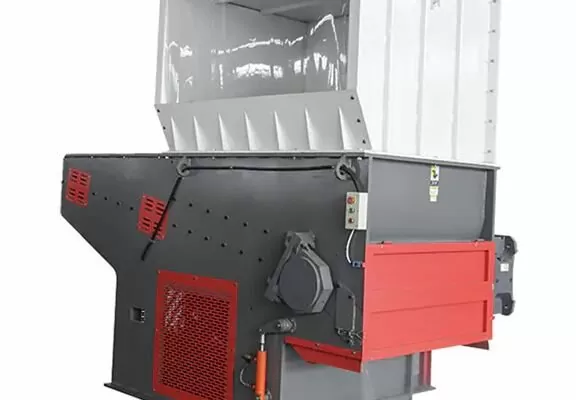
Shredders use rotating blades or shafts to cut large, bulky plastic into smaller flakes or strips. This reduces volume, makes plastics easier to handle, wash, dry, and sort, and prepares for downstream processing.
Types include single-shaft, dual-shaft, even four-shaft designs — depending on throughput and material toughness.
Plastic crushers/granulators may follow shredders to further reduce size, producing more uniform particles. This is especially helpful if you want good feedstock for melting or pelletizing.
Plastic Extruder
After shredding and cleaning, many operations use an extruder. The extruder melts plastic material (flakes or pellets) and pushes it through a die or nozzle, forming continuous profiles — pipes, sheets, films, rods — or even re-granulating into pellets.
There are single-screw and twin-screw extruders. Single-screw is simpler, cheaper, works well when plastic feedstock is homogeneous (like clean PE or PP). Twin-screw offers stronger mixing and homogenizing, better for mixed plastics, composites, or material with additives.
Extruder is the heart of many recycling lines and production lines. Without reliable extruders, downstream production is unstable. Plastic Pelletizer For PP Material Recycling
Injection Molding Machine
When you need to make complex 3D-shaped parts — housings, containers, lids, small fittings — injection molding is the way. Injection molding machines heat plastic until molten, then inject it into a mold cavity where it cools and solidifies.
Injection molding machines include an injection unit, clamping unit, drive system and control system. Most are horizontal, though vertical versions exist for special tasks (insert molding, small parts).
This is among the most common machines for mass-production of plastic parts globally.
Blow Molding Machine / Film-Blowing & Other Forming Machines
For hollow plastic items — bottles, containers, drums — or for plastic films and sheets, blow molding or film-blowing machines come into play.
Film-blowing machines melt plastic and extrude a tube, which is inflated to form thin films — widely used for packaging, bags, wraps, sheets.
Blow-molding systems — especially rotary wheel blow molding — are designed for high output of containers. Such machines may produce millions of bottles per day in large production lines.
These machines allow product diversity beyond rigid parts — essential for packaging, consumer goods, general plastic containers.
Auxiliary / Secondary Processing & Recycling Equipment
Processing plastic rarely ends with molding or extrusion. There are auxiliary machines: pelletizers, granulators (for re-pelletizing), washing lines, dewatering presses or dryers, mixers, purifiers (for compounding), screening machines, etc.
These devices help ensure material purity, consistent pellet/granule size, proper drying — all critical for product quality and machine longevity.
For recycling operations, after shredding, you often need washing, drying, sorting by density or type, then pelletizing — and only then feed the plastic back into extrusion or molding machines.
Without proper auxiliary systems, even the best extruder or molding machine will produce poor output due to contaminants, moisture, inconsistent feed.
How does a typical plastic recycling / processing line look?
We usually design processing lines like this (in simplest form):
- Shredding / Crushing → reduce volume and size of scrap or waste plastic.
- Washing / Drying / Sorting → clean the plastic, remove contaminants (labels, adhesives, metal, residues), separate by density or polymer type.
- Extrusion / Pelletizing → melt and reform cleaned plastic into pellets or continuous profiles.
- Molding / Extruding into final products → via injection molding, blow molding, film blowing, extrusion processes.
- Secondary processing / Finishing → trimming, cutting, printing, packaging.
In my years building recycling systems, I’ve seen lines that handle 1–5 tons per hour — from waste feed to usable pellets ready for molding or extrusion. This modular approach offers flexibility depending on input plastic type and desired output. Plastic Shredder With Plastic Crusher For Plastic Lumps Recycling
Sometimes we adapt a line for hard plastics, other times for thin films or mixed wastes. The right combination of machines ensures success.
What kinds of plastics and feedstock can be processed?
Our machines are designed to handle a wide variety of plastic types and forms — rigid containers, pipes, films, woven bags, packaging, production scraps, industrial waste, household waste (after sorting), etc.
Common polymer types include PE (LDPE, HDPE), PP, PET, PVC, PS, and others. For extruders and molding machines: even composites and mixed plastics (with twin-screw extruders) can be processed if pre-treatment is done properly.
In recycling plants that accept mixed waste streams, thorough sorting, cleaning, and sizing — via shredders, granulators, washers — is essential before extrusion or pelletizing. Otherwise quality suffers.
What machine to choose — and when?
As the CEO with years in machinery manufacturing, I consider several criteria when choosing the right processing machines:
- Feedstock type: rigid bottles, films, pipes, mixed plastics, composites — decide shredder, crusher, extruder type.
- Desired output: pellets, sheets, pipes, bottles, housings — choose extrusion, injection molding, blow molding accordingly.
- Scale & throughput: small workshop vs. industrial plant — affects shaft number, screw type, automation, auxiliary systems.
- Material purity requirements — for high-grade products, invest in washing, drying, compounding, degassing capabilities.
- Budget and cost-efficiency — simpler single-screw extruders vs. more complex twin-screw systems; manual vs. automated lines.
When I start a new project at Amige, I always map feedstock → output → capacity → budget → choose machines accordingly. That systematic approach reduces risk.
Common misunderstanding: Plastic machine ≠ Plastic mold
Many people think “plastic machine” always means molding machine. That’s wrong.
The term covers all — shredders, granulators, extruders, molding, blow-molding, film blowing, washing, drying, compounding, etc. Recycled plastic starts with waste and ends with pellets — molding is just one link.
If you skip shredding or sorting, mold quality suffers. If you skip pelletizing or drying, extruder screws/wear parts burn out or clog.
That’s why I always say: you need the whole chain. A great injection-molding machine is worthless if feedstock is dirty or inconsistent.
Why I believe in plastic processing machines (and in recycling)
When I founded Amige Machinery, I saw plastic waste piling up, landfills growing, resources wasted. I believed plastic should be a resource — not waste.
Our machines give life back to plastic — converting scrap into raw material, enabling new products, reducing cost, protecting environment.
I prefer pragmatic design. I avoid fancy features that add little value but increase maintenance. Over time, we refine machines to be robust, reliable, easy to maintain, and flexible for customers.
I believe traditional, proven methods — shredding → cleaning → extrusion → molding — remain the backbone of plastic processing. New tricks can help, but fundamentals matter most.
What to watch out for — risks & challenges
- Feedstock purity: contamination drastically reduces output quality.
- Mixed plastics: need sorting or powerful twin-screw extruders + careful processing.
- Maintenance: blades, screws, barrels wear — needs scheduled maintenance, spare parts.
- Moisture & volatiles: especially in recycled plastics — need drying, degassing to avoid defects.
- Overload: pushing too much feedstock into machine reduces quality, increases wear.
In my experience, prevention (good input, realistic throughput, regular maintenance) is always far cheaper than fixing a breakdown or dealing with bad product quality.
Who needs plastic processing machines?
- Recycling plants (post-consumer waste, industrial scrap)
- Plastic compounders and pellet producers
- Manufacturers producing pipes, films, sheets, containers, parts
- Factories using recycled resin as feedstock
- Businesses wanting to reduce plastic waste, reuse material, cut raw costs
If you’re starting a recycling business, building a plastic product line, or running industrial plastic waste processing — you need proper plastic processing machines.
Conclusion
Plastic processing machines are the backbone of plastic recycling and manufacturing.
They turn waste or raw resin into usable plastic — shredders, extruders, molding machines, pelletizers, and more.
With the right equipment, strong process design, and honest maintenance, plastic waste becomes resource.
That’s what I’ve done for years at Amige — building machines, designing lines, seeing recycled plastic reborn. Plastic is never “just waste.”
Feel free to ask if you want a deeper explanation of any specific machine or processing line.