

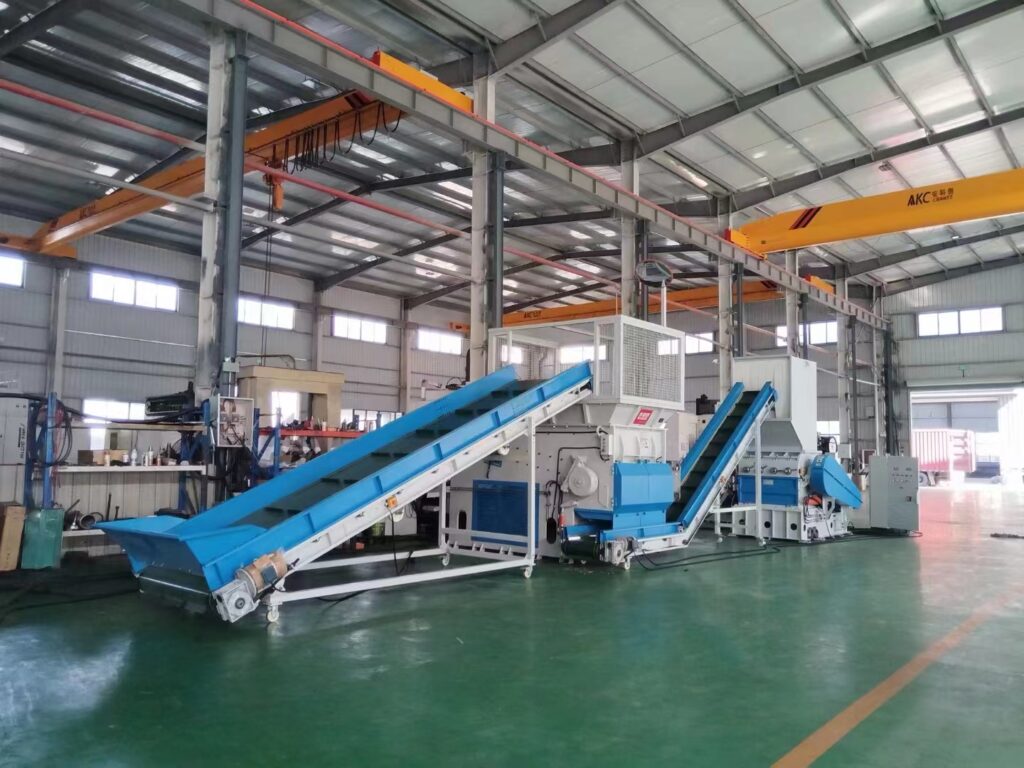
A recycling company can invest in a highly powerful and still end up with an inefficient, bottlenecked production line. Why? Because a shredder does not operate in a vacuum. Heavy-Duty Single Shaft Shredder for Rigid HDPE Drum Recycling
If the feeding conveyor cannot keep pace, throughput plummets. If the downstream conveyor is undersized, material accumulates and jams the system. If every machine relies on its own independent controls, operators waste valuable time manually starting, stopping, and troubleshooting.
For our recent turnkey plastic shredding project in Poland, we approached the challenge differently. Instead of simply asking, “Which shredder should we supply?” we analyzed the customer’s entire production ecosystem. Our goal was to engineer a fully automated recycling system where feeding, shredding, load monitoring, overload protection, discharge, and centralized PLC control function as one seamless unit. That difference in engineering philosophy is what transforms a collection of machines into a highly profitable turnkey production line.
Material Analysis: The Foundation of Industrial Shredding
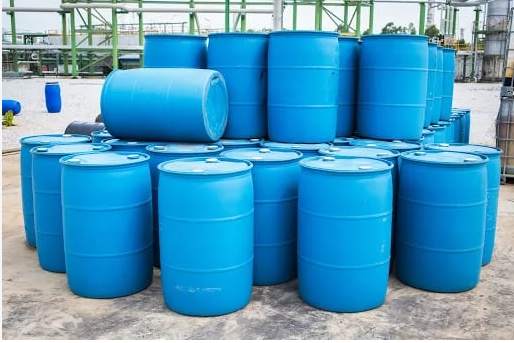
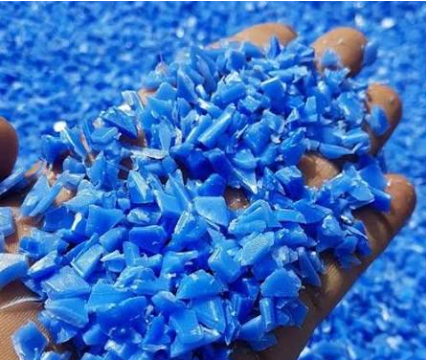
Plastic shredding equipment must be configured according to the actual waste material. While this sounds obvious, it is a step many suppliers skip. When a customer requests a “1,000 kg/h shredder,” the immediate follow-up question must be: 1,000 kilograms per hour of what?
A ton of thin LDPE film and a ton of thick HDPE automotive components require completely different rotor designs, blade arrangements, screen sizes, and motor configurations. Before engineering the Polish shredding line, we evaluated the polymer type, material dimensions, wall thickness, bulk density, and contamination levels. Good recycling machinery engineering begins with a deep understanding of what the cutting chamber will actually have to fight every single day.
Intelligent Automation and PLC Control
In a fully automated plastic shredding line, feeding becomes a critical part of the control strategy. Manual feeding may work for small setups, but industrial-scale operations require intelligent communication between machines.
By integrating a centralized PLC control system, we allowed the machines in the Poland facility to make real-time operating decisions. If the shredder detects a sudden spike in rotor load—perhaps from a compacted bundle or a particularly thick plastic block—the control logic responds instantly. The feeding conveyor automatically slows or stops, allowing the shredder to clear the chamber. If necessary, the automatic reverse function triggers to release trapped material before resuming normal operation.
This level of practical automation protects the mechanical system, drastically reduces manual intervention, and ensures stable, continuous throughput. Automation should never be used to mask poor equipment selection; it should empower a correctly designed system to run flawlessly.
Strategic Two-Stage Size Reduction and Screen Selection
For many single-shaft shredder applications, the internal screen dictates the discharge size. Material circulates inside the cutting chamber until it is small enough to pass through. However, smaller is not automatically better.
Equipping a shredder with an unnecessarily small screen leads to extended cutting cycles, higher energy consumption, accelerated blade wear, and an excessive generation of plastic fines. In a turnkey project, every machine must perform the specific job for which it is most efficient. If the shredded material is destined for a downstream Specialized Plastic Crusher for Chemical Drum Recycling, the shredder only needs to perform primary size reduction. By matching the shredder’s output strictly to the next machine’s intake requirements, we optimized energy consumption per ton of processed material.
The Overlooked Importance of Conveyor Engineering
Buyers naturally focus their attention on the shredder—it is the machine performing the heavy, dramatic work. But conveyors determine whether that machine is actually allowed to perform at full capacity.
A poorly designed conveyor can cripple a high-capacity shredder. For the Poland project, we engineered the material flow considering conveyor width, inclination, belt type, and material bulk density. In a well-designed recycling plant, conveyors should quietly and reliably move material all day without ever becoming the center of attention.
Factory Layout and Pre-Shipment Validation


A production line must fit the customer’s actual factory, not an ideal CAD environment. Beyond just footprint dimensions, our layout engineering accounted for forklift routes, electrical cabinet positioning, and critical maintenance access. Technicians need adequate space to replace blades, clean screens, and service hydraulic systems safely. Designing a line for the next ten years means designing it for the people who will maintain it.
Furthermore, international turnkey projects demand that problems are solved before the equipment ever reaches the shipping port. Backed by our facility’s five dedicated manufacturing lines, we fully assembled, wired, and tested the Poland system in-house. Mechanical, electrical, hydraulic, and PLC alarm functions were rigorously verified. Our philosophy is simple: resolve engineering questions on our factory floor, not after the containers arrive in Europe.
Designing for Tomorrow’s Recycling Demands
A successful recycling plant rarely stays the same. Capacities increase, feedstocks evolve, and new end-market demands emerge. A facility that starts with primary shredding today may need to integrate HDPE Bottle Washing Machine for Clean Recycled Plastic Flakes tomorrow.
By defining the exact waste material, operating hours, automation level, and downstream requirements from day one, AMIGE ensures your initial investment is scalable. If you are ready to stop buying isolated machines and start building a highly coordinated recycling system, contact our engineering team at info@amgplastech.com with your material specifications and capacity goals.
Conclusion
Our Poland project shows that a successful Turnkey Plastic Shredding Line begins with process engineering, not equipment selection. By integrating feeding, shredding, conveying, PLC automation, layout, safety, and future expansion, AMIGE turns individual machines into a coordinated recycling production system.
#PlasticShreddingLine
#TurnkeyRecyclingProject
#PlasticShredder
#IndustrialShredder
#PlasticRecycling
#PlasticRecyclingLine
#RecyclingAutomation
#RecyclingEquipment
#PolandRecycling
#AMIGE
