

A plastic granulator reduces rigid or flexible plastic scrap into controlled flakes or regrind. It does this with rotating knives, fixed knives and a sizing screen inside a cutting chamber.
The important distinction is that a granulator normally makes flakes—not finished pellets. If the final product must be pellets, the material usually needs additional washing, drying, extrusion, filtration and pellet cutting.
I’m Jacky, CEO of AMIGE. When buyers ask for a plastic granulator machine, I first clarify the feed material, maximum part size, contamination, required kg/h, target flake size and the next production step. Those facts determine whether a granulator, shredder, crusher or complete recycling line is appropriate.
What is a plastic granulator?
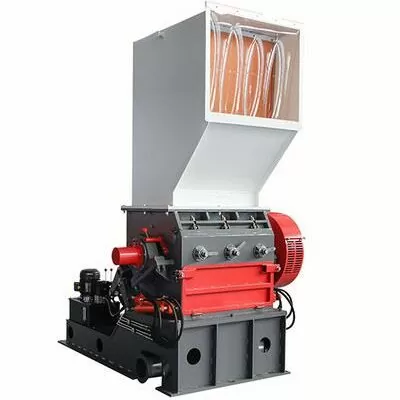
A plastic granulator is a high-speed size-reduction machine. Material enters a cutting chamber where rotor knives pass fixed bed knives. Each cutting pass reduces the plastic until it is small enough to pass through a screen.
Depending on the market, the same equipment may be called a plastic crusher, grinder or granulator. The name matters less than the actual rotor, chamber, knives, screen, feeding method and required output.
How does a plastic granulator work step by step?
- Feeding: Scrap enters by hand, conveyor, robot or another upstream machine. The feed opening must match the largest part and prevent unsafe access.
- Cutting: The motor drives the rotor. Rotating knives shear the plastic against stationary knives rather than simply crushing it by impact.
- Recirculation: Pieces that are still too large remain in the chamber and continue to be cut.
- Screening: Material passes through the screen after reaching the required size range.
- Discharge: A blower, screw conveyor, belt or wet conveying system transfers the flakes to collection, washing, separation or extrusion.
Stable feeding and sharp, correctly adjusted knives are essential. Overfeeding can raise motor load, generate heat, increase fines and create inconsistent output.
What are the main components?
| Component | Function | Buyer checks |
|---|---|---|
| Hopper and feed opening | Guides material into the chamber | Largest feed size, bridging, splash or flyback protection. |
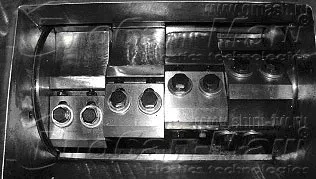
| Rotor and rotor knives | Provide the moving cutting action | Rotor geometry, knife arrangement, speed, balance and material. |
| Fixed knives | Create the shear point | Clearance adjustment, accessibility and edge life. |
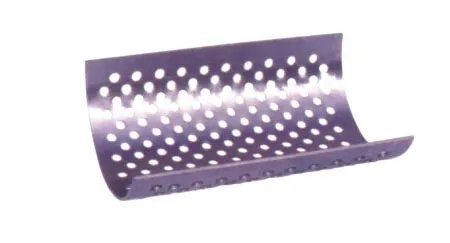
| Screen | Controls when material can leave | Hole size, open area, thickness and replacement access. |
| Motor and drive | Supply cutting power | Voltage, frequency, protection, starting method and load monitoring. |
| Bearings and chamber | Support the rotor and contain cutting | Sealing, cooling, contamination protection and maintenance access. |
| Discharge system | Moves flakes to the next stage | Required conveying distance, dust, water and downstream equipment. |
Which plastics can a granulator process?
Typical applications include injection-molding runners, defective molded parts, PET and HDPE bottles, PP crates, buckets, pipes, profiles, sheets, films and pre-shredded lumps. One rotor and chamber design should not be assumed to handle all of them equally well.
Thin film behaves differently from thick rigid parts. Fibers, glass-filled plastics, metal inserts, sand, liquid, rubber and mixed polymers change wear, load and output quality. Representative material trials are more useful than a generic material list.
Granulator vs shredder vs pelletizer
| Machine | Primary role | Typical output |
|---|---|---|
| Shredder | Low-speed, high-torque reduction of bulky, dense or difficult feed | Larger, less uniform pieces for a second stage. |
| Granulator or crusher | High-speed knife cutting with a sizing screen | Controlled flakes or regrind. |
| Pelletizer | Melts, filters and cuts plastic through an extrusion process | Finished recycled pellets. |
Large lumps, drums or compressed bales may need a plastic shredder before granulation. Clean factory scrap may go directly into a plastic crusher or granulator. Washed and dried flakes can then enter a plastic pelletizing system when pellets are required.
What determines capacity and flake size?
- Polymer, wall thickness, part geometry and bulk density.
- Maximum feed dimensions and whether material is loose, nested or baled.
- Rotor diameter, width, speed, knife arrangement and motor load.
- Screen opening, open area and desired flake size.
- Knife sharpness, clearance and cutting-chamber condition.
- Feeding consistency and discharge efficiency.
- Moisture, dirt, labels, metal and abrasive contamination.
A smaller screen usually means more recirculation, higher power demand, additional heat and potentially more fines. Compare suppliers using the same material, feed condition, output size and test method—not nameplate kg/h alone. Our capacity comparison guide explains how to evaluate a complete line.
How should you choose knives and screen size?
Knife material and geometry should match the polymer and contamination. Abrasive or reinforced plastics may require more wear-resistant options, while thin film needs a cutting arrangement that limits wrapping and heat.
The screen should match the downstream specification. Flakes for washing, pneumatic transport, extrusion or direct return to molding may require different sizes. Ask how quickly the screen and knives can be accessed, reversed, sharpened and replaced.
Should the granulator run wet or dry?
Dry granulation is common for clean factory scrap and applications where water is unnecessary. Wet crushing can support bottle, film or post-consumer washing by helping convey material, control some dust and begin surface cleaning.
Wet operation requires suitable seals, bearings, drainage, water circulation and downstream treatment. It does not replace sorting, friction washing, separation, dewatering or drying. Review the granulator as part of the complete plastic washing line.
What safety and maintenance features matter?
- Interlocked hopper, chamber and screen access.
- Emergency stops, overload monitoring and motor protection.
- Controlled rotor stopping and safe lockout procedures.
- Metal separation or detection where contamination risk justifies it.
- Accessible knife setting, screen changes and chamber cleaning.
- Bearing, belt, coupling and fastener inspection points.
- Documented sharpening intervals and critical spare parts.
Operators should never reach into the feed opening or open the chamber until power is isolated and the rotor has fully stopped. Site procedures must follow the applicable local electrical, machinery and worker-safety requirements.
What information should you send for granulator selection?
- Material name, photos, video and representative samples.
- Maximum part dimensions, wall thickness and feed condition.
- Contamination, metal, labels, moisture and abrasive content.
- Required capacity in kg/h and operating hours per day.
- Target flake size and acceptable fines.
- Wet or dry operation and the upstream and downstream process.
- Voltage, frequency, factory space and preferred feeding method.
Need a plastic granulator for a recycling or production-scrap project? Send AMIGE the information above. We will recommend the cutting chamber, rotor, knives, screen, motor, feeding and discharge arrangement based on your actual material.
Frequently asked questions
Does a plastic granulator make pellets?
No. A granulator normally cuts plastic into flakes or regrind. A pelletizing line melts, filters and cuts the prepared plastic into pellets.
What is the difference between a granulator and a shredder?
A shredder normally uses lower speed and higher torque for bulky or difficult feed. A granulator uses high-speed knives and a screen to make smaller, more controlled flakes.
What screen size should a plastic granulator use?
The screen size should match downstream washing, conveying, extrusion or molding requirements. Smaller holes can increase recirculation, heat, power use, wear and fines.
Can one granulator process both rigid plastic and film?
Some machines can process both, but rotor, knife, screen, feeding and discharge requirements differ. Representative trials are needed before assuming one configuration will perform well on every material.
What affects the price of a plastic granulator machine?
Chamber and rotor size, knife and screen design, motor and drive, wet or dry construction, feeding, discharge, controls, safety, wear protection and integration with other equipment all affect configuration and cost.
Conclusion
A plastic granulator creates controlled flakes by cutting scrap between rotating and fixed knives until it passes through a sizing screen. Reliable selection starts with the real material, feed size, capacity, flake specification and downstream process. Define those facts before comparing machine models or prices.
