

Starting a plastic recycling business is not mainly about buying a machine. It is about building a repeatable path from local waste to a saleable product.
The safest starting sequence is: confirm buyers, choose one feedstock, secure supply, define the finished product, calculate material yield, and only then configure the equipment. Reversing that order is how new plants end up with machinery that does not match their waste or market.
I’m Jacky, CEO of AMIGE. When a new buyer asks me how to start a plastic recycling business, I begin with six facts: material, contamination, monthly supply, desired output, required capacity, and who will buy it. Those facts shape the entire project.
1. Choose the plastic and finished product first
Do not start with “mixed plastic” unless you already have a proven sorting and sales plan. PET bottles, HDPE containers, PP crates, rigid lumps, LDPE film, woven bags, and production scrap require different preparation, washing, drying, and pelletizing steps.
| Feedstock | Possible saleable output | Important checks |
|---|---|---|
| PET bottles | Clean PET flakes | Labels, glue, caps, PVC contamination, color sorting, and moisture. |
| HDPE/PP rigid plastic | Washed flakes or pellets | Wall thickness, metal, sand, color, and melt-flow requirements. |
| LDPE/PP film | Dry film flakes or pellets | Sand, oil, printing, moisture, film thickness, and squeezing requirements. |
| Factory scrap | Regrind returned to production | Material purity, required particle size, dust, and production schedule. |
2. Validate buyers before planning capacity
Talk to several real buyers. Ask which polymer, color, contamination level, particle size, moisture, packaging, and monthly quantity they accept. Request their inspection or sample procedure.
A buyer saying “we purchase recycled plastic” is not enough. Your output specification must be clear enough to test. The target selling price also needs to be compared with collection, sorting, yield loss, labor, power, water, transport, packaging, maintenance, and financing costs.
3. Secure a consistent plastic supply
Potential sources include factories, material recovery facilities, commercial collectors, agricultural operations, packaging users, municipalities, and waste contractors. Evaluate supply by usable tons, not collected tons.
Record material type, monthly volume, seasonal variation, contamination, transport distance, bale or loose condition, payment terms, and rejection rules. Run sorting trials before committing to plant capacity.
4. Build a simple material balance
If one ton enters the plant, how much becomes saleable output? Labels, caps, dirt, moisture, fines, rejected polymers, and process losses reduce yield. Water and drying performance also affect final weight and quality.
Model conservative, expected, and good operating cases. This prevents a high nameplate capacity from creating an unrealistic revenue forecast.
5. Select the equipment from the required output
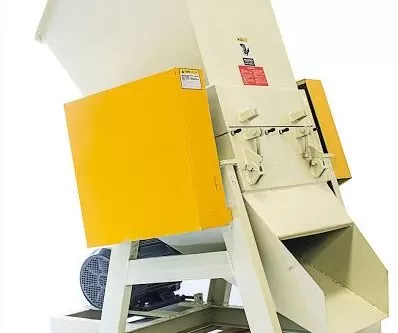
| Process step | Typical equipment | Why it matters |
|---|---|---|
| Sorting and feeding | Sorting table, conveyor, bale breaker, or metal separation | Stabilizes feed and removes damaging contamination. |
| Size reduction | Shredder, crusher, or granulator | Matches the feed size and prepares material for washing or reprocessing. |
| Washing | Pre-washer, friction washer, float-sink tank, and hot wash when required | Removes dirt, labels, oils, glue, and incompatible polymers. |
| Dewatering and drying | Centrifugal dryer, squeezer, or thermal drying | Controls moisture before storage or extrusion. |
| Pelletizing | Extruder, filtration, degassing, and pellet cutting system | Produces consistent pellets when the end buyer needs them. |
| Packaging | Silo, weighing, and bagging | Protects traceability and finished-product quality. |
Compare our plastic shredders, plastic crushers, plastic washing lines, and plastic pelletizers by process role—not by machine size alone.
6. Size capacity around supply and sales
Required kg/h is only one part of capacity planning. Include operating hours, cleaning time, product changeovers, maintenance, utility limits, labor shifts, storage, and the slowest process step.
A line rated for more than your secured feedstock may spend most of the month idle. A line that is too small can create high labor cost, missed deliveries, and repeated overload. See our plastic crushing and washing line capacity comparison.
7. Confirm the site, utilities, and permits
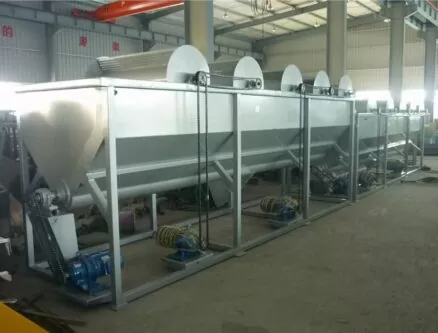
- Local business, waste-handling, environmental, water-discharge, fire, electrical, zoning, and worker-safety requirements.
- Available voltage, installed power, water source, wastewater treatment, drainage, compressed air, and fuel where required.
- Inbound storage, sorting, dirty and clean zones, maintenance access, finished-product storage, and truck movement.
- Noise, dust, odor, drainage, emergency access, and future expansion.
Requirements vary by country and municipality. Verify them with the relevant local authorities before signing a lease or ordering equipment. Our factory layout guide can help you prepare the technical questions.
8. Calculate operating cost per saleable ton
A responsible startup budget cannot be reduced to one universal price. Equipment configuration, material condition, capacity, automation, utilities, wastewater treatment, building work, logistics, duties, installation, and local labor all change the investment.
Calculate feedstock, transport, sorting loss, labor, electricity, water, treatment, consumables, blades, screens, filtration, packaging, rent, maintenance, finance, and downtime. Divide the total by saleable output—not input weight.
9. Start with a trial and written specification
Send representative material, not a clean sample prepared for a sales meeting. Agree on input condition, expected output, capacity basis, utilities, included equipment, exclusions, wear parts, installation, training, warranty, and acceptance testing.
Planning a plastic recycling startup? Send AMIGE material photos, monthly supply, target product, required kg/h, operating hours, voltage, water conditions, and factory dimensions. We will help map the process before discussing machine configuration.
Frequently asked questions
How do I start a plastic recycling business?
Confirm a buyer specification, choose one feedstock, secure supply, test material yield, verify permits and utilities, calculate cost per saleable ton, and then configure the equipment.
Can I start a recycling business with limited capital?
You can begin with collection, sorting, baling, toll processing, or one controlled production step. Do not assume a complete washing or pelletizing plant can operate without working capital, utilities, compliance, maintenance, and a buyer.
Which plastic is easiest to recycle commercially?
The best material is the one available consistently in your market with manageable contamination and confirmed buyers. PET, HDPE, PP, and film can all work, but each requires a different process.
What machines does a small plastic recycling plant need?
That depends on the feedstock and output. Common steps include sorting, size reduction, washing, dewatering, drying, pelletizing, and packaging. Some factory scrap needs only controlled grinding; contaminated post-consumer waste needs more.
How do I estimate whether the business will be profitable?
Use conservative selling prices, real material yield, secured supply, and complete operating costs. Calculate contribution per saleable ton and test the result against downtime, price changes, and lower-than-planned capacity.
Conclusion
A durable plastic recycling business starts with market evidence, not machinery enthusiasm. Define the feedstock, buyer specification, yield, utilities, layout, compliance, and cost per saleable ton first. The right equipment configuration becomes much easier once those facts are clear.
