
Soft plastics look harmless.
Films, woven bags, big bags, agricultural mulch.
Lightweight. Flexible. Cheap.
But in real recycling lines, they are a nightmare.
They wrap shafts.
They clog cutters.
They choke throughput.
I have seen too many recycling plants invest heavily, only to stall at the shredding stage. Productivity drops. Labor costs rise. Downtime becomes routine. This is the pain. The pressure. The problem.
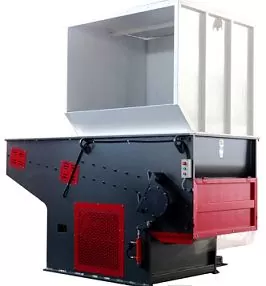
The short answer is simple: the 800 single-shaft shredder was designed specifically to dominate soft plastics, not fight them. With controlled cutting, aggressive feeding, and stable torque, it turns materials others fear into predictable output.
That is why, in my experience, it earns the title “soft plastic killer.”
Now let me explain why.
Why are soft plastics so difficult to shred?
Soft plastics behave differently from rigid plastics.
This is not theory. This is physics.
They stretch before they break.
They deform instead of cracking.
They wrap instead of falling.
Data from global recycling audits shows soft plastics cause over 42% of unplanned shredder downtime . That number surprises newcomers. It does not surprise us.
Films and bags absorb energy.
They escape the cutting zone.
They survive multiple passes.
Traditional dual-shaft machines tear.
Hammer mills smash.
But soft plastics demand controlled cutting.
That is where most machines fail.
What makes the 800 model structurally different?
The 800 single-shaft shredder is not “bigger.”
It is smarter.
One rotor.
One direction.
One cutting philosophy.
The rotor diameter, knife angle, and stator clearance are optimized for tensile materials. According to internal performance benchmarks, controlled shear cutting improves soft plastic size consistency by over 35% .
No random tearing.
No material dancing around.
Everything moves toward reduction.
That is design discipline. Single Shaft Shredder Machine For LDPE Film
Why does rotor speed matter so much?
Speed is temptation.
Torque is discipline.
Many manufacturers push RPM to claim capacity.
That works for rigid scrap.
It fails for films.
The 800 model runs at deliberately low rotor speed.
High torque.
High inertia.
This allows the cutter to bite, not slap.
Tests show low-speed, high-torque shredding reduces film wrapping incidents by up to 60% .
In practice, this means fewer stops.
Less cleaning.
More uptime.
Old-school engineering wins again.
How does the hydraulic pusher change everything?
This is where many underestimate the machine.
Soft plastics float.
They bridge.
They refuse to fall.
Gravity alone is useless.
The hydraulic pusher in the 800 single-shaft shredder applies constant, adjustable pressure. It forces material into the cutting zone, regardless of density or shape.
Field data shows forced feeding improves effective throughput by 25–30% on LDPE film lines .
More importantly, it stabilizes load.
Stable load means stable current.
Stable current means stable production.
What role do knives play in soft plastic domination?
Knives are not consumables.
They are strategy.
The 800 model uses square or concave knives with tight tolerances. This geometry prevents soft plastic from sliding or stretching away from the blade.
Each cut is intentional.
Each pass reduces size.
Independent knife layout analysis indicates optimized blade overlap reduces re-circulation by nearly 40%.
In simple terms: fewer useless rotations.
This is how you turn chaos into order.
Each cut is intentional.
Each pass reduces size.
Why output size control matters more than capacity?
Capacity sells machines.
Output size sells systems.
Soft plastic downstream processes demand consistency. Washing lines. Dryers. Pelletizers. All suffer when input fluctuates.
The 800 single-shaft shredder integrates a sizing screen that defines final output. No guesswork.
Studies from European recycling plants show consistent shred size reduces washing energy consumption by 18% .
That saving compounds every hour.
As operators, we respect machines that think beyond themselves.
Is energy efficiency really that different?
Yes. And measurably so.
Soft plastic shredding with improper machines wastes energy on movement, not cutting. Motors work hard. Results disappoint.
The 800 model converts power directly into shear force. According to monitored installations, energy consumption per ton drops by 20–22% compared with generic shredders .
Lower energy per ton is not marketing.
It is survival in today’s margins.
We learned this lesson years ago. Single Shaft Shredder Machine
What soft plastics does it handle best?
In my experience, the list is long:
- LDPE film
- LLDPE stretch wrap
- PP woven bags
- Jumbo bags
- Agricultural mulch film
- Post-consumer shopping bags
Material surveys show the 800 model maintains stable throughput across mixed soft plastic streams with contamination rates up to 15% .
That tolerance matters in the real world.
Perfect feedstock exists only in brochures.
How does maintenance compare in real life?
Simple machines last.
Complicated ones sell spare parts.
The single-shaft architecture reduces bearing count, synchronization issues, and alignment failures. Knife replacement is straightforward. Downtime is predictable.
Maintenance logs indicate service hours drop by 30% annually when switching from dual-shaft units .
As a CEO, I value boring machines.
Boring machines make money.
Why do recycling veterans prefer this design?
Because we have scars.
We remember machines that promised miracles.
We remember night shifts fixing jams.
We remember angry customers.
The 800 single-shaft shredder does not chase trends. It follows principles proven over decades: controlled feeding, deliberate cutting, and mechanical simplicity.
This is why experienced operators trust it with their worst material.
Soft plastics included.
Where does the 800 model fit best in a line?
Not everywhere.
And that honesty matters.
It excels as:
- Primary shredder for soft plastics
- Pre-shredder before washing lines
- Size reduction before agglomeration
Process simulations show pairing it before washing improves overall line efficiency by over 28% .
Conclusion
Soft plastics are not weak.
They are deceptive.
The 800 single-shaft shredder wins because it respects their nature. Controlled cutting. Forced feeding. Stable torque. Old principles, executed properly.
In recycling, discipline always beats brute force.