

A plastic agglomerator machine uses friction, cutting and controlled heat to compact low-bulk-density film, fiber, raffia or foam into denser, irregular granules. The densified material is easier to store, transport and feed into selected extrusion or pelletizing processes.
An agglomerator does not produce finished pellets by itself. It prepares difficult, fluffy feed. If the buyer needs uniform filtered pellets, extrusion and pelletizing are separate downstream stages.
I’m Jacky, CEO of AMIGE. Before recommending agglomeration, I ask what polymer is being processed, how it was washed and dried, its bulk density, contamination and the next machine in the line.
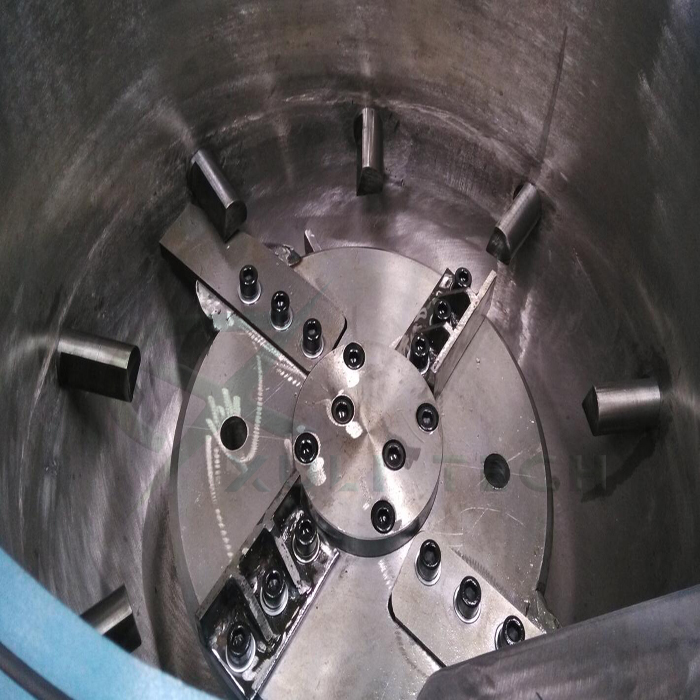
What Does an Agglomerator Mean in Plastic Recycling?
In plastic recycling, an agglomerator is a batch or controlled-process machine that densifies lightweight thermoplastic material. High-speed rotating knives cut and circulate the feed. Friction raises temperature, and controlled cooling or water dosing helps form denser agglomerates before discharge.
The exact cycle and controls vary by machine and polymer. Operation must follow the equipment supplier’s instructions because excessive heat, moisture or residence time can degrade material or create unstable output.
How a Plastic Agglomerator Works
- Prepared film or fiber is fed into the chamber at a controlled batch weight.
- Rotating knives cut, mix and circulate the material.
- Frictional energy softens the plastic surface without a conventional extrusion screw.
- The operator or automatic sequence controls temperature, moisture and cycle timing.
- Material contracts into denser, irregular granules and is discharged for cooling or downstream feeding.
Suitable Materials and Feed Preparation
- PE film, shopping bags and selected agricultural film after washing and drying
- PP woven bags, raffia and fibers after removal of hard contamination
- Thin factory film scrap and edge trim
- Selected foams or lightweight thermoplastics after application testing
Polymer mixing, PVC contamination, metal, sand, excessive moisture and residual chemicals can damage quality or equipment. Feed should be sorted and prepared to the downstream buyer’s specification, not simply collected because it looks like plastic.
Agglomerator vs Granulator vs Pelletizer
| Machine | Main function | Typical output |
|---|---|---|
| Crusher or granulator | Mechanical size reduction | Flakes or regrind controlled by a screen |
| Agglomerator or densifier | Densifies fluffy film and fiber | Irregular compact agglomerates |
| Extruder pelletizer | Melts, filters, homogenizes and cuts | More uniform pellets for defined downstream use |
Some recycling lines combine densification with extrusion. Review the PE/PP film agglomerating and pelletizing machine when washed film needs a continuous route to pellets.
Key Specifications Buyers Should Compare
- Approved polymers and feed form
- Batch size and stated output on the buyer’s material
- Chamber volume, rotor design and knife arrangement
- Motor, control method and overload protection
- Temperature, water or cooling control
- Discharge method and downstream feeding compatibility
- Knife, liner and chamber wear-part access
- Noise, dust, ventilation and operator-safety provisions
Ask how capacity was measured. A supplier should identify the polymer, moisture, bulk density, contamination, cycle time and final agglomerate condition behind any output claim.
How to Evaluate an Agglomerator Supplier
- Request a material test using representative washed and dried feed.
- Review videos that show feeding, the full cycle, discharge and downstream use.
- Confirm motor, electrical components, knife steel and chamber wear parts.
- Check drawings, utilities, foundation, ventilation and maintenance clearance.
- Define training, commissioning, spare parts and remote-support scope.
- Compare total installed cost and output quality, not only the machine price.
A reliable supplier should also say when agglomeration is unnecessary. Clean rigid regrind may feed directly into another process, while contaminated film may need better washing and drying before densification.
Operating Risks and Quality Control
Control batch weight, temperature, cycle time, moisture and discharge consistency. Overheating can create degradation, odor, color change or fused lumps. Excess water can make drying and downstream extrusion unstable. Inspect knives, fasteners, chamber liners, bearings and electrical load on a scheduled basis.
Guarding, interlocks, emergency stops, lockout procedures, ventilation and fire controls must match local regulations and the processed material. Never open the chamber while the rotor or stored energy is present.
Information Needed for an Accurate Proposal
Provide polymer type, source, photos, sample, contamination, current dimensions, moisture, bulk density, hourly input, operating hours and required downstream output. Also state whether the material will be sold as agglomerate or fed to an extruder.
Send these details through the AMIGE inquiry form. We can then compare a stand-alone agglomerator with a complete plastic pelletizing solution.
Frequently Asked Questions
What is a plastic agglomerator machine used for?
It densifies lightweight film, fiber, raffia or similar thermoplastic feed so it is easier to handle and feed into selected downstream processes.
Is an agglomerator the same as a pelletizer?
No. An agglomerator creates irregular densified pieces, while an extruder pelletizer melts, filters, homogenizes and cuts plastic into more uniform pellets.
Can an agglomerator process wet film?
Moisture tolerance depends on the machine and process, but excessive moisture reduces control and can disrupt downstream extrusion. Provide measured moisture data.
What controls plastic agglomerator capacity?
Polymer, feed size, bulk density, moisture, contamination, batch weight, motor, cycle time and required agglomerate condition all affect output.
What should I send to select an agglomerator?
Send material photos and samples, polymer, moisture, contamination, bulk density, input rate, operating hours and the required downstream process.
