
Plastic film recycling sounds simple on paper. In reality, it is one of the most difficult sectors in the recycling industry. Lightweight materials. High contamination levels. Moisture issues. Material wrapping around rotors. Low bulk density. These challenges continue to frustrate recyclers around the world. At the same time, governments and brand owners are demanding higher recycling rates for flexible packaging. The gap between demand and practical processing methods is growing. That is precisely why we organized a technical seminar with industry experts to discuss the future of efficient film recycling.
During the seminar, AMIGE and industry specialists shared practical solutions for improving film recycling efficiency, including advanced shredding technologies, optimized washing systems, intelligent drying processes, and high-efficiency pelletizing methods. The discussions confirmed one important truth: successful film recycling requires an integrated process, not just a single machine.
I always enjoy these technical discussions.
Machines are important.
But ideas are even more powerful.
When engineers and recyclers sit around one table, innovation tends to happen naturally.
Why Is Plastic Film Recycling So Challenging?
Plastic films behave differently from rigid plastics.
They are soft.
They are flexible.
And occasionally, they seem determined to wrap around every moving component they encounter.
Film recycling faces several challenges:
- Low bulk density
- High contamination levels
- Moisture retention
- Material entanglement
- Feeding instability
- High transportation costs
According to the Global Flexible Packaging Recycling Council, plastic film remains one of the fastest-growing and most technically challenging recycling segments worldwide.
The material itself is not the problem.
Handling it efficiently is.
Why Is Demand for Film Recycling Increasing?
Several market drivers are accelerating investment in film recycling.
These include:
- Plastic reduction policies
- Recycled content requirements
- Circular economy initiatives
- Corporate sustainability commitments
- Growing consumer awareness
The International Circular Plastics Alliance projects continued growth in flexible packaging recovery and recycling infrastructure over the coming decade.
Film recycling is no longer a niche business.
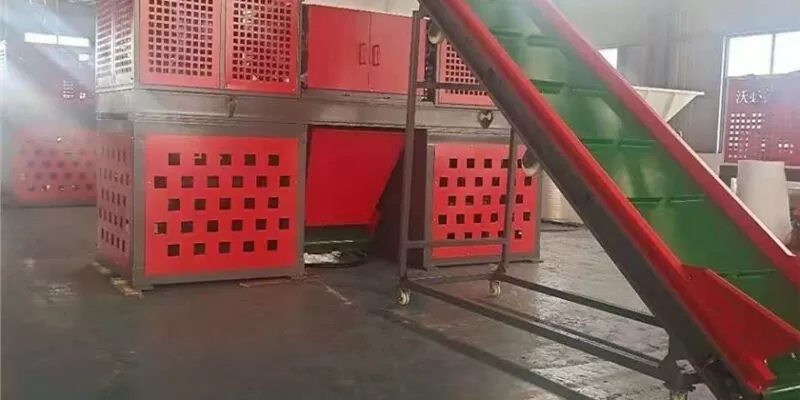
It is becoming a strategic industry. Double Single Shaft Shredder Machine
What Topics Received the Most Attention During the Seminar?
The discussions focused on practical solutions rather than theoretical concepts.
Experts concentrated on four major areas:
Material Preparation
Proper sorting and pre-treatment.
Size Reduction
Efficient shredding and crushing technologies.
Washing and Drying
Contamination removal and moisture reduction.
Pelletizing
Producing high-quality recycled pellets.
The most productive discussions occurred when operators shared real-world experiences.
Machines teach valuable lessons.
Customers teach even more.
Why Is Proper Shredding So Important for Film Recycling?
Many people underestimate the importance of shredding.
I do not.
Shredding determines:
- Feeding consistency
- Washing efficiency
- Material handling
- Energy consumption
Poor shredding creates problems throughout the entire recycling line.
Modern film shredders must address:
- Material wrapping
- Low-density feeding
- Stable throughput
- Reduced downtime
The Advanced Size Reduction Research Institute highlights shredding efficiency as one of the key variables influencing overall recycling performance.
A recycling line is like an orchestra.
If one instrument plays poorly, everyone notices.
What Innovations Are Improving Film Shredding?
During the seminar, several technologies generated significant interest.
These included:
Optimized Rotor Designs
Improved material gripping and cutting performance.
Intelligent Automatic Reverse Systems
Reduced downtime caused by wrapping materials.
Hydraulic Feeding Systems
Better handling of lightweight films.
Water Cooling Technologies
Reduced heat generation during processing.
At AMIGE, we continue investing heavily in these technologies because film materials challenge conventional machinery.
And difficult materials often inspire the best innovations.
Why Is Washing the Most Critical Stage?
Some experts at the seminar called washing the “profit center” of film recycling.
I tend to agree.
Contaminants determine the value of recycled material.
The washing process removes:
- Sand
- Labels
- Organics
- Adhesives
- Dirt
- Residual chemicals
According to the Global Polymer Receovery Laboratory, washing efficiency directly affects pellet quality and final market value.
Dirty input creates low-value output.
Clean material creates opportunities.
How Can Drying Efficiency Improve Production?
Drying may sound boring.
Until moisture ruins an extrusion run.
Then it becomes very exciting.
High moisture levels can cause:
- Poor pellet quality
- Reduced extrusion efficiency
- Increased energy consumption
- Product defects
Experts discussed several solutions:
- Mechanical drying
- Squeezing systems
- Hot-air drying
- Intelligent moisture monitoring
The Industrial Polymer Processing Center emphasizes the importance of moisture control in recycled plastic processing.
A few extra percentage points of moisture can become a very expensive problem.
Why Are Integrated Recycling Lines Becoming More Popular?
One theme appeared repeatedly during the seminar.
Integration.
Customers increasingly prefer complete systems.
A fully integrated line can include:
- Shredding
- Crushing
- Washing
- Drying
- Pelletizing
Integrated systems offer:
- Lower labor costs
- Better automation
- Stable material flow
- Improved efficiency
The Global Recycling System Observatory reports strong global demand for complete recycling solutions.
The industry is moving away from isolated machines.
Systems thinking is winning.
What Did Industry Experts Predict for the Future?
The seminar ended with discussions about future trends.
Several themes emerged:
Greater Automation
Smart equipment will continue expanding.
Higher Recycling Standards
Quality requirements will become stricter.
Increased Processing Capacity
Demand for recycled materials will continue growing.
More Specialized Equipment
Film recycling requires dedicated solutions.
Digital Monitoring
Predictive maintenance and data analytics will become standard.
The future of recycling will belong to companies capable of combining engineering with adaptability.
That combination creates resilience.
And resilience creates long-term success.
How Is AMIGE Contributing to This Industry Evolution?
At AMIGE, our mission goes beyond manufacturing machinery.
We aim to solve problems.
The seminar reinforced several priorities:
- Continue improving film shredding technology.
- Increase automation levels.
- Enhance washing efficiency.
- Support customers with complete solutions.
- Share technical knowledge with the industry.
I firmly believe that collaboration accelerates innovation.
No company solves every challenge alone.
The recycling industry moves forward when knowledge is shared.
Why Are Technical Seminars So Valuable?
Because they shorten learning curves.
A customer shares a problem.
An engineer proposes a solution.
Another recycler offers practical experience.
Everyone benefits.
I have attended many conferences over the years.
The most valuable conversations often happen outside formal presentations.
Usually near the coffee machine.
Engineers apparently produce their best ideas with coffee nearby.
Conclusion
Our technical seminar confirmed that efficient plastic film recycling depends on integrated technologies, intelligent equipment, and industry collaboration. As demand for recycled films continues growing, innovation and knowledge sharing will remain essential. At AMIGE, we believe the future of recycling is built not only by machines, but by partnerships and shared expertise.
#PlasticFilmRecycling #PlasticRecycling #FilmRecycling #PlasticShredder #PlasticWashingLine
#PlasticPelletizing #RecyclingEquipment #WastePlasticRecycling #CircularEconomy #AMIGE