
Plastic waste is not waiting.
It piles up.
Landfills grow.
Recyclers feel the pressure.
In Ecuador, this problem is very real.
Recycling companies want capacity.
Municipal projects want reliability.
Export-oriented recyclers want consistency.
The pain is simple.
Wrong machine.
Wrong supplier.
Wrong investment.
I have seen this many times in my career.
And I have learned one thing the hard way.
Choosing the right plastic shredder manufacturer matters more than price.
The short answer is this. Ecuador has several capable local and regional plastic shredder manufacturers, mostly focused on basic and mid-level machines. For high-capacity, export-grade, or long-term industrial recycling projects, buyers usually combine local service with proven international manufacturers. The key is process fit, not brand size.
If you stay with me.
I will explain why.
And I will share how I personally evaluate manufacturers, after years of building shredders myself.
Who Are the Top Plastic Shredder Manufacturers in Ecuador?
Before listing names, I want to be honest.
Ecuador is not Germany.
It is not China.
It is not Italy.
But that does not mean there is no capability.
Most Ecuadorian manufacturers focus on robustness.
Simple design.
Low maintenance.
That fits local conditions well.
1. Ecotecnologías del Ecuador
This company focuses on environmental equipment.
Plastic shredders are part of a larger portfolio.
Their machines are practical.
Usually small to medium capacity.
Designed for PET bottles and light plastics.
Good for startups.
Not ideal for heavy-duty recycling lines.
Market references can be found in local environmental equipment reports
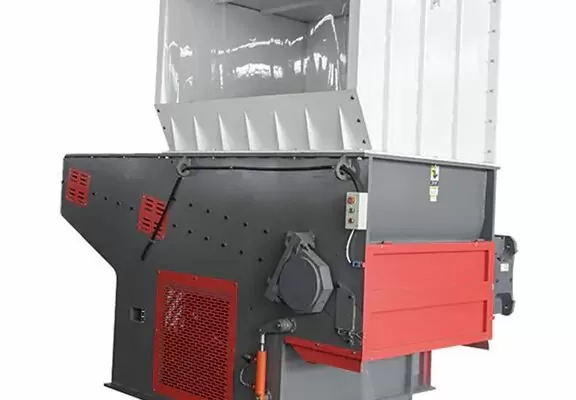
Single Shaft Shredder Machine For Rigid Material
2. Indumáquinas Cía. Ltda.
Indumáquinas is more of a traditional machinery workshop.
I respect that.
They build solid frames.
Simple rotor designs.
Manual knife adjustment.
These machines last.
But automation is limited.
If you value old-school reliability, they are worth a look.
3. Maquiplas Andina
Maquiplas focuses on plastic processing equipment.
Extruders.
Granulators.
And shredders.
Their strength is integration.
They understand downstream processes.
For small recycling plants, this matters more than fancy features. Single Shaft Shredder 600mm For Woven Bags&Film Recycling
4. Recimak Ecuador
Recimak works closely with recycling cooperatives.
Their shredders are designed for real-world abuse.
Dirty plastics.
Mixed materials.
Inconsistent feeding.
I like that mindset.
Machines should work in reality, not just on paper.
5. Tecnomaquinaria Quito
Tecnomaquinaria builds customized industrial equipment.
Plastic shredders are often made to order.
Lead times can be long.
But customization is flexible.
For special applications, that is valuable.
6. EcoMáquinas del Pacífico
This manufacturer targets sustainability projects.
NGOs.
Municipal recycling programs.
Capacity is modest.
But energy efficiency is emphasized.
Data on municipal recycling investments in Ecuador
Single Shaft Shredder Machine For LDPE Film
7. Andean Recycling Solutions
They assemble shredders using imported components.
Motors.
Bearings.
Gearboxes.
This hybrid model is common in Latin America.
It balances cost and performance.
Quality depends heavily on component sourcing.
8. PlastiAndes Machinery
PlastiAndes focuses on plastic waste volume reduction.
Not fine shredding.
Think bulky plastics.
Pipes.
Crates.
If size reduction is your goal, they perform well.
9. GreenTech Ecuador
GreenTech is younger.
More marketing-driven.
Their machines look modern.
Touchscreens.
Bright colors.
I always say this.
Looks do not shred plastic.
Still, for light-duty applications, they are acceptable. Single Shaft Shredder 600mm For Waste Plastic Lump Recycling
10. Regional Distributors of International Brands
This category matters.
Some Ecuadorian companies distribute machines from China, Europe, or North America.
This includes industrial plastic shredders used in export recycling.
High throughput.
Stable output.
Trade data on machinery imports supports this trend
Why Most Ecuadorian Buyers Struggle to Choose the Right Shredder?
I have seen this mistake too often.
Buyers focus on price.
They ignore material type.
They ignore throughput.
They ignore maintenance.
Plastic shredding is not one-size-fits-all.
PET bottles are not HDPE drums.
Films are not pipes.
According to regional waste composition data
Single Shaft Shredder Machine For Plastic Lump
What Questions Should You Ask Before Contacting Any Manufacturer?
This is where experience matters.
I always start with three questions.
What material am I shredding?
How many hours per day?
What comes next in the process?
If a supplier cannot answer these clearly, walk away.
How Do I Personally Evaluate a Plastic Shredder Manufacturer?
I am a manufacturer myself.
So I am strict.
I look at steel thickness.
Knife material.
Bearing brand.
I ask about knife gap adjustment.
Rotor balance.
Spare parts lead time.
If answers are vague, that is a red flag.
Local Manufacturer or International Supplier: Which Is Better?
There is no absolute answer.
Local manufacturers offer faster service.
Lower logistics cost.
Language advantage.
International suppliers offer proven designs.
Higher capacity.
Process stability.
Many smart Ecuadorian recyclers combine both. Shredder Crusher Production Line For Plastic Lumps Recycling
Where Do We, Amige, Fit into This Picture?
I will be direct.
We are not Ecuadorian.
But we work with Ecuadorian clients.
Because they need industrial reliability.
Our shredders focus on consistency.
Long service life.
Predictable output.
I respect local manufacturers.
We do different jobs.
What Are the Hidden Costs Buyers Often Ignore?
Downtime.
Knife wear.
Motor overload.
Cheap machines become expensive fast.
Lifecycle cost matters more than purchase price.
This is supported by industrial maintenance studies
How Can You Verify a Manufacturer’s Real Capability?
Do not trust brochures.
Ask for references.
Visit workshops.
Touch the machine.
If possible, run material tests.
Good manufacturers welcome this.
Bad ones avoid it.
Conclusion
Ecuador has capable plastic shredder manufacturers.
But capability varies by application.
Define your process first.
Then choose the supplier.
That discipline has never failed me.