


AMIGE industrial plastic crushers reduce suitable plastic scrap into controlled-size flakes for recycling, washing, pelletizing and material reprocessing. The AMGP series should be selected from the actual material, maximum feed dimensions, required throughput, target output size and downstream process—not from motor power or a generic capacity claim alone.
Suitable Materials and Feed Conditions
The current product information identifies ordinary plastic sheets, pipes, profiles, plates and packaging materials as suitable starting applications. Material suitability still needs to be checked against the actual shape, thickness, contamination and feed method.
Rigid plastic parts and production scrap
Use the material name, maximum dimensions, wall thickness and piece weight to compare the feed opening, rotor diameter, blade arrangement and motor configuration.
Sheets, profiles, pipes and plates
Confirm the maximum width or diameter, wall thickness and feeding direction. Long or oversized pieces may require a different feed method or primary size reduction.
Suitable packaging and flexible scrap
Thin, light or flexible material can feed differently from rigid scrap. Do not assume the same capacity: provide bulk density, bale or loose form, moisture and contamination for review.
Bulky or difficult feedstock
If drums, large lumps, pallets or irregular pieces cannot enter the crusher safely and consistently, compare a plastic shredder or a shredder-plus-crusher process before selecting this series.

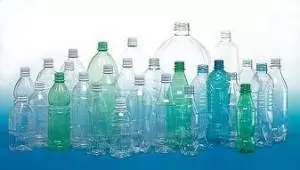

Published AMGP Plastic Crusher Models and Specifications
The following specification values are retained from the existing product page. Use them to shortlist a model, then confirm the final configuration from a material test or engineering review.
| Machine model | AMGP300A | AMGP400A/B | AMGP500A/B | AMGP650A/B | AMGP800A/B | AMGP1000A/B | AMGP1200A/B |
|---|---|---|---|---|---|---|---|
| Machine size(mm) L/W/H | 700 x700 x1400 | 800 x 800 x1400 | 1400 x 1100 x 1500 | 1500 x 1200 x 1700 | 1500 x 1600 x 2000 | 1900 x 1900 x 2300 | 2000 x 2000 x 2500 |
| Feeding size(mm) | 310 x260 | 410 x320 | 510 x320 | 660 x 400 | 810 x 500 | 1010 x550 | 1210 x600 |
| Rotor diameter(mm) | Ø220 | Ø260 | Ø320 | Ø350 | Ø420 | Ø520 | Ø600 |
| Rotating speed(rpm) | 500 | 500 | 500 | 500 | 500 | 500 | 500 |
| Screen size(mm) | 12-100 | 12-100 | 12-100 | 12-100 | 12-100 | 12-100 | 12-100 |
| Fixed blade(pcs) | 2 | 2/4 | 2/4 | 2/4 | 4 | 4 | 4 |
| Rotor blade(pcs) | 3 | 3/6 | 3/6 | 3/6 | 6 | 6 | 6 |
| Capacity(Kg/H) | 100-200 | 200-300 | 300-500 | 500-700 | 700-800 | 800-1100 | 1100-1500 |
| Motor power(kw) | 4 | 7.5 | 11 | 15 | 30 | 37/45 | 45/55 |
| Hydraulic power(Kw) | 1.5 | ||||||
| Machine weight(Kg) | 260 | 420 | 650 | 850 | 1600 | 2800 | 3800 |
Capacity Guidance: Published Range of 100–1,500 kg/h
Capacity is an important shortlist input, but it is not a standalone model guarantee. The same crusher can produce different hourly output when the material density, feed shape, thickness, screen opening or feeding stability changes.
| Published reference capacity | Model starting point | What must be checked |
|---|---|---|
| 100-200 kg/h | AMGP300A | Material form, 310 x260 mm feed size, target flake size and feeding method |
| 200-300 kg/h | AMGP400A/B | Maximum feed dimensions, wall thickness, blade configuration and screen opening |
| 300-500 kg/h | AMGP500A/B | Bulk density, contamination, required output size and downstream equipment |
| 500-700 kg/h | AMGP650A/B | Stable feed rate, 660 x 400 mm feed size and real material test conditions |
| 700-800 kg/h | AMGP800A/B | Material thickness, screen selection, motor/load conditions and operating pattern |
| 800-1100 kg/h | AMGP1000A/B | Feed preparation, 1010 x550 mm feed size, conveyor and line balance |
| 1100-1500 kg/h | AMGP1200A/B | 1210 x600 mm feed size, material test, continuous feeding and downstream capacity |
How to Select the Right Plastic Crusher Model
- Identify the material: resin type, rigid or flexible form, contamination, moisture and temperature.
- Measure the largest feed: length, width, diameter, wall thickness and piece weight—not only the average size.
- Define the required throughput: expected kg/h, hours per shift, batch or continuous operation, and upstream feed stability.
- Define the target output: required flake range, screen preference and whether the next step is washing, separation, drying or pelletizing.
- Check the process route: decide whether the crusher can accept the feed directly or whether a shredder is needed for primary size reduction.
- Confirm utilities and layout: local voltage/frequency, conveying method, dust or water conditions, access for maintenance and available floor space.
For a broader comparison of crusher applications, visit the Plastic Crusher Machine category. For larger, thicker or more demanding feedstock, also review the Heavy-Duty Plastic Crusher.
Rotor, Blades and Screen Configuration
The existing product information states that the bearing is mounted outside the machine body for easier protection, heat dissipation and maintenance, and that an inertial flywheel supports cutting strength. It also identifies alloy-steel blades and a balanced rotor design. The final blade quantity, blade arrangement and screen opening should be confirmed for the actual material and target output.
Rotor and blade review
- Check material hardness, thickness and impact load.
- Confirm fixed- and rotor-blade quantity for the selected model.
- Define inspection, sharpening and replacement access.
Screen and discharge review
- Start from the published 12-100 mm screen range.
- Match the output requirement to the next recycling step.
- Confirm how the screen affects throughput and recirculation.


Integration with Washing and Pelletizing Lines
A plastic crusher may operate as a standalone size-reduction machine or as one stage in a recycling line. The crusher output, discharge method and conveying arrangement should be matched with the capacity of the downstream plastic washing line or plastic pelletizer. A line should be balanced around the slowest process stage instead of selecting each machine from an isolated maximum figure.
Factory Test, Safety and Maintenance Review
Before delivery, confirm the agreed test material, feed condition, test duration and acceptance points. A useful test records feeding stability, current/load behavior, throughput under the agreed conditions, output appearance, abnormal noise or vibration, and access for cleaning and blade maintenance.
- Confirm guarding, emergency-stop and interlock requirements for the final project.
- Define the cleaning procedure and safe access before changing blades or screens.
- Request the recommended wear-parts list and maintenance intervals for the selected configuration.
- Keep metal and other unsuitable contaminants out of the feed according to the agreed operating procedure.
Industrial Plastic Crusher FAQ
Which plastics can this crusher process?
The published applications include ordinary plastic sheets, pipes, profiles, plates and packaging materials. Suitability for a specific resin, thickness or flexible material must be confirmed from samples, photos or a test.
How do I choose between a crusher and a shredder?
Start with the feed geometry. A crusher is evaluated for material that can enter its feed opening and cutting chamber consistently. Large, irregular or bulky items may need primary size reduction in a shredder before crushing.
Is the published capacity guaranteed for every material?
No. The 100-1,500 kg/h figures are published reference ranges across the AMGP series. Actual throughput depends on the real feed and operating conditions and should be confirmed before ordering.
How do I choose the screen size?
Start with the required downstream flake range and the published 12-100 mm screen options. Then evaluate the effect of material shape, screen opening and recirculation on output and throughput.
What information is needed for a model recommendation?
Send the material and resin, photos or videos, maximum feed dimensions and thickness, target kg/h, target output size, contamination, downstream process, voltage/frequency and available layout.
Request a Plastic Crusher Recommendation and Quote
Share your material name, photos or videos, maximum feed size, wall thickness, required capacity and target output size. AMIGE can use these inputs to shortlist an AMGP model and identify points that need a material test or engineering confirmation.
GET A CRUSHER RECOMMENDATION & QUOTE CONTACT AMIGE